Buy 3dlab.eu ?
We are moving the project
3dlab.eu .
Are you interested in purchasing the domain
3dlab.eu ?
domain@kv-gmbh.de · 0541-91531010
Buy 3dlab.eu ?
What is an acid residue ion, an oxonium ion, and a hydronium ion?
An acid residue ion is a fragment of a molecule that remains after a hydrogen ion is removed from an acid. An oxonium ion is a positively charged ion formed by the addition of a proton to an oxygen atom. A hydronium ion is a positively charged ion formed by the combination of a water molecule with an extra proton, commonly found in aqueous solutions of acids. **
What are the oxonium ion and the hydroxide ion?
The oxonium ion is a positively charged ion formed when a water molecule gains a hydrogen ion, resulting in the formula H3O+. This ion is commonly found in acidic solutions. On the other hand, the hydroxide ion is a negatively charged ion formed when a water molecule loses a hydrogen ion, resulting in the formula OH-. This ion is commonly found in basic solutions. Both ions play important roles in acid-base chemistry. **

Similar search terms for Ion-exchange
Top-Angebote
Products related to Ion-exchange:
-
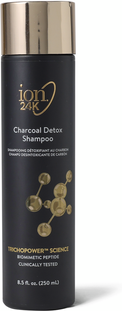
Ion ion 24K Charcoal Detox ShampooIon® 24K Charcoal Detox Shampoo is a powerful yet gentle charcoal shampoo designed to deeply cleanse hair and scalp, while repairing hair's keratin chain. This detox shampoo helps lift impurities, odors and buildup from styling products and...20,99 $*Shipping: 0,00 $Secure redirect to the provider
-
Ion ion 24K Metal And Mineral Neutralizing SprayIon® 24K Metal & Mineral Neutralizing Spray is a treatment for color-treated hair that acts as a hair color primer, helping reduce mineral and metal buildup caused by hard water and environmental exposure. This lightweight spray reduces the dulling...32,99 $*Shipping: 0,00 $Secure redirect to the provider



-
What is an oxonium ion and a hydroxide ion?
An oxonium ion is a positively charged ion formed by the combination of a water molecule and a hydrogen ion (H+). It is also known as a hydronium ion and is commonly found in acidic solutions. A hydroxide ion, on the other hand, is a negatively charged ion composed of one oxygen and one hydrogen atom (OH-). It is a key component of basic solutions and is responsible for the alkaline properties of substances such as sodium hydroxide. Both oxonium and hydroxide ions play important roles in the pH and chemical properties of solutions. **
-
What is an ion?
An ion is an atom or molecule that has gained or lost one or more electrons, giving it a positive or negative charge. When an atom loses an electron, it becomes a positively charged ion called a cation. Conversely, when an atom gains an electron, it becomes a negatively charged ion called an anion. Ions play a crucial role in chemical reactions and are essential for various biological processes in living organisms. **
-
What is the difference between a hydronium ion and an oxonium ion?
A hydronium ion (H3O+) is formed when a water molecule (H2O) gains a hydrogen ion (H+), resulting in a positively charged ion. On the other hand, an oxonium ion (also known as a protonated alcohol) is formed when an alcohol molecule gains a proton, resulting in a positively charged ion. While both ions have a positive charge, hydronium ions are specifically formed in aqueous solutions, whereas oxonium ions are formed in the context of organic chemistry reactions involving alcohols. **
-
What is the difference between the carbonate ion and the bicarbonate ion?
The main difference between the carbonate ion (CO3^2-) and the bicarbonate ion (HCO3^-) is the number of hydrogen atoms present. The carbonate ion has a charge of -2 and does not contain any hydrogen atoms, while the bicarbonate ion has a charge of -1 and contains one hydrogen atom. Bicarbonate is a conjugate base of carbonic acid, while carbonate is a polyatomic ion on its own. **


How are lattice energy, ion charge, ion radius, and melting temperature related?
Lattice energy is the energy required to separate an ionic solid into its constituent ions. It is directly related to the ion charges and inversely related to the ion radius. Higher ion charges and smaller ion radii result in higher lattice energies. As lattice energy increases, so does the melting temperature of the ionic solid. This is because the stronger the ionic bonds (as indicated by higher lattice energy), the more energy is required to break those bonds, resulting in a higher melting temperature. **
What is the difference between the carbonate ion and the hydrogen carbonate ion?
The carbonate ion (CO3^2-) has a charge of -2 and consists of three oxygen atoms bonded to a central carbon atom. In contrast, the hydrogen carbonate ion (HCO3^-) has a charge of -1 and consists of one hydrogen atom, one carbon atom, and three oxygen atoms. The hydrogen carbonate ion is derived from the carbonate ion by the addition of a hydrogen ion, making it a conjugate acid of the carbonate ion. **
Top-Angebote
Products related to Ion-exchange:
-
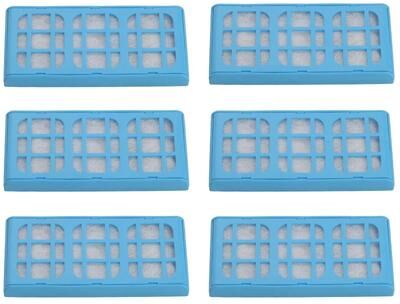
Uplift Essentials 6 Piece Premium Replacement Filter Cartridges Custom Ion Exchange Water Care Set For Cat Mate Fountains 6 Piece Premium Replacement Filter Cartridges Custom Ion Exchange Water Care Set For Cat Mate FountainsKeep your pet's drinking water moving through a crisp, clean cycle with our 6Piece Replacement Filter Cartridges Set. Precisionmolded to fit seamlessly into official Cat Mate and Pet Mate multilevel fountains, these highperformance cartridges...48,97 $*Shipping: 0,00 $Secure redirect to the provider
-
Ubiquiti Networks Ubiquiti WiFiMan Wizard Spectrum Analyzer, Band Scanning - USB - 3.7V - Battery Rechargeable - Lithium Ion (Li-Ion)A portable spectrum analyzer designed for the WiFiMan iOS and Android mobile app. 2.4 GHz and 5 GHz unlicensed band scanning 240 minutes continuous scanning battery life BLE smartphone pairing with USB-C charging port iPhone Magsafe attachable support Management interface Bluetooth Power method Li-ion battery Power supply Rechargeable Li-ion battery, 3.7V DC, 300mAh Max. power consumption 32.4mW Charger voltage USB-C, 5V DC/1A LED White/blue/red Buttons (1) Power (1) Factory-reset Operating temp115,49 £*Shipping: 0,00 £Secure redirect to the provider
-
Ion ion 24K Charcoal Detox ShampooIon® 24K Charcoal Detox Shampoo is a powerful yet gentle charcoal shampoo designed to deeply cleanse hair and scalp, while repairing hair's keratin chain. This detox shampoo helps lift impurities, odors and buildup from styling products and...20,99 $*Shipping: 0,00 $Secure redirect to the provider
-
What is an acid residue ion, an oxonium ion, and a hydronium ion?
An acid residue ion is a fragment of a molecule that remains after a hydrogen ion is removed from an acid. An oxonium ion is a positively charged ion formed by the addition of a proton to an oxygen atom. A hydronium ion is a positively charged ion formed by the combination of a water molecule with an extra proton, commonly found in aqueous solutions of acids. **
-
What are the oxonium ion and the hydroxide ion?
The oxonium ion is a positively charged ion formed when a water molecule gains a hydrogen ion, resulting in the formula H3O+. This ion is commonly found in acidic solutions. On the other hand, the hydroxide ion is a negatively charged ion formed when a water molecule loses a hydrogen ion, resulting in the formula OH-. This ion is commonly found in basic solutions. Both ions play important roles in acid-base chemistry. **
-
What is an oxonium ion and a hydroxide ion?
An oxonium ion is a positively charged ion formed by the combination of a water molecule and a hydrogen ion (H+). It is also known as a hydronium ion and is commonly found in acidic solutions. A hydroxide ion, on the other hand, is a negatively charged ion composed of one oxygen and one hydrogen atom (OH-). It is a key component of basic solutions and is responsible for the alkaline properties of substances such as sodium hydroxide. Both oxonium and hydroxide ions play important roles in the pH and chemical properties of solutions. **
-
What is an ion?
An ion is an atom or molecule that has gained or lost one or more electrons, giving it a positive or negative charge. When an atom loses an electron, it becomes a positively charged ion called a cation. Conversely, when an atom gains an electron, it becomes a negatively charged ion called an anion. Ions play a crucial role in chemical reactions and are essential for various biological processes in living organisms. **
Similar search terms for Ion-exchange
-
Ion ion 24K Metal And Mineral Neutralizing SprayIon® 24K Metal & Mineral Neutralizing Spray is a treatment for color-treated hair that acts as a hair color primer, helping reduce mineral and metal buildup caused by hard water and environmental exposure. This lightweight spray reduces the dulling...32,99 $*Shipping: 0,00 $Secure redirect to the provider
-
York Wallcoverings Exchange Crystal Shore WallpaperExchange's small, unique, fractured lines feel like an artisanal installation rendered in burnished metallic against a textural plaster ground, shown in taupe grey with burnished metallic..170,00 $*Shipping: 0,00 $Secure redirect to the provider
-
What is the difference between a hydronium ion and an oxonium ion?
A hydronium ion (H3O+) is formed when a water molecule (H2O) gains a hydrogen ion (H+), resulting in a positively charged ion. On the other hand, an oxonium ion (also known as a protonated alcohol) is formed when an alcohol molecule gains a proton, resulting in a positively charged ion. While both ions have a positive charge, hydronium ions are specifically formed in aqueous solutions, whereas oxonium ions are formed in the context of organic chemistry reactions involving alcohols. **
-
What is the difference between the carbonate ion and the bicarbonate ion?
The main difference between the carbonate ion (CO3^2-) and the bicarbonate ion (HCO3^-) is the number of hydrogen atoms present. The carbonate ion has a charge of -2 and does not contain any hydrogen atoms, while the bicarbonate ion has a charge of -1 and contains one hydrogen atom. Bicarbonate is a conjugate base of carbonic acid, while carbonate is a polyatomic ion on its own. **
-
How are lattice energy, ion charge, ion radius, and melting temperature related?
Lattice energy is the energy required to separate an ionic solid into its constituent ions. It is directly related to the ion charges and inversely related to the ion radius. Higher ion charges and smaller ion radii result in higher lattice energies. As lattice energy increases, so does the melting temperature of the ionic solid. This is because the stronger the ionic bonds (as indicated by higher lattice energy), the more energy is required to break those bonds, resulting in a higher melting temperature. **
-
What is the difference between the carbonate ion and the hydrogen carbonate ion?
The carbonate ion (CO3^2-) has a charge of -2 and consists of three oxygen atoms bonded to a central carbon atom. In contrast, the hydrogen carbonate ion (HCO3^-) has a charge of -1 and consists of one hydrogen atom, one carbon atom, and three oxygen atoms. The hydrogen carbonate ion is derived from the carbonate ion by the addition of a hydrogen ion, making it a conjugate acid of the carbonate ion. **
* All prices are inclusive of VAT and, if applicable, plus shipping costs. The offer information is based on the details provided by the respective shop and is updated through automated processes. Real-time updates do not occur, so deviations can occur in individual cases. ** Note: Parts of this content were created by AI.