Buy 3dlab.eu ?
We are moving the project
3dlab.eu .
Are you interested in purchasing the domain
3dlab.eu ?
domain@kv-gmbh.de · 0541-91531010
Buy 3dlab.eu ?
Does gilded bronze tarnish?
Yes, gilded bronze can tarnish over time due to exposure to air and moisture. The thin layer of gold plating on the bronze can wear off, exposing the bronze underneath to oxidation, which causes tarnishing. To prevent tarnishing, it is important to clean and maintain gilded bronze objects regularly and store them in a dry, controlled environment. **
Does gilded bronze discolor?
Yes, gilded bronze can discolor over time due to a variety of factors such as exposure to air, moisture, and chemicals. The gilding on bronze can tarnish or develop a patina, which can change its color and appearance. To prevent discoloration, it is important to properly clean and maintain gilded bronze objects regularly. **

Similar search terms for Bronze
Top-Angebote
Products related to Bronze:
-
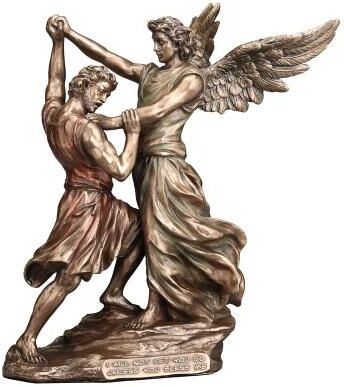
Veronese Design 9.45 inches Height Cold Cast Bronze Jacob Wrestling with God Bronze Finish FigurineFrom Veronese Design, this bronze figurine beautifully captures the essence of the jacob wrestling god and biblical sculpture in dynamic detail.82,99 $*Shipping: 0,00 $Secure redirect to the provider
-
Veronese Design 9.45 inches Height Cold Cast Bronze No Soldier Left Behind Bronze Finish FigurineFrom Veronese Design, this military figurine beautifully captures the essence of the no soldier left behind and cold cast bronze in dynamic detail.71,99 $*Shipping: 0,00 $Secure redirect to the provider

-
Why is bronze red?
Bronze appears red because of the presence of copper in its composition. Copper is a metal that has a reddish-brown color, and when it is mixed with other metals such as tin to create bronze, it imparts a reddish hue to the alloy. The amount of copper in the bronze mixture can also affect the shade of red that is produced. **
-
Why does bronze rust?
Bronze rusts due to a process called oxidation, where the metal reacts with oxygen in the air or water. This reaction forms a layer of copper oxide on the surface of the bronze, giving it a greenish or brownish color. This layer of oxide can continue to grow and spread, eventually leading to the deterioration of the bronze if not properly maintained. Additionally, exposure to moisture and certain chemicals can accelerate the rusting process. **
-
How is bronze made?
Bronze is made by combining copper and tin in a specific ratio, typically around 90% copper and 10% tin. The two metals are melted together at high temperatures, usually around 1,700 degrees Fahrenheit, and then poured into a mold to cool and solidify. Once the bronze has cooled, it can be further shaped and refined through processes such as casting, forging, or machining. Bronze has been used for thousands of years due to its strength, durability, and ability to hold intricate details, making it a popular material for sculptures, tools, and decorative objects. **
-
Is bronze heterogeneous or homogeneous?
Bronze is considered a heterogeneous mixture. This is because bronze is an alloy made up of copper and tin, which are two different elements. These elements are not uniformly distributed throughout the bronze, resulting in different regions with varying compositions. This makes bronze a heterogeneous material. **
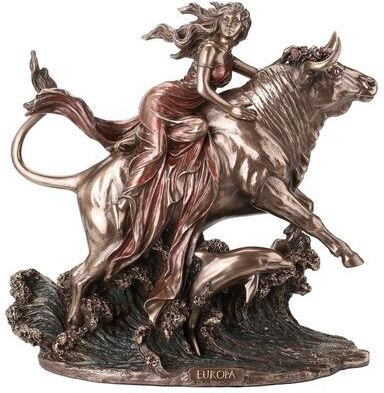

How can one recognize bronze?
Bronze is a metal alloy that typically has a reddish-brown color. One can recognize bronze by its distinct hue, which is a shade of brown with a hint of red. Bronze also tends to have a slightly metallic sheen and may develop a greenish patina over time when exposed to air. Additionally, bronze is heavier than brass and has a higher copper content, which can help differentiate it from other similar metals. **
What is a bronze sculpture?
A bronze sculpture is a three-dimensional artwork created by shaping and manipulating bronze metal. This type of sculpture is typically created through the process of casting, where molten bronze is poured into a mold and allowed to cool and harden. Bronze sculptures can range in size from small figurines to large monuments, and they are known for their durability and ability to withstand the elements. This medium has been used for centuries to create intricate and detailed sculptures, and it continues to be a popular choice for artists today. **
Top-Angebote
Products related to Bronze:
-
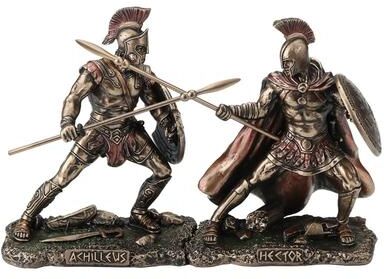
Veronese Design 3.74 inches Height Cold Cast Bronze Hector Fighting Achilleus Bronze Finish FigurineFrom Veronese Design, this fractional cold cast bronze sculpt showcases the legendary duel of Hector vs Achilles, intertwining heroism with historical grandeur.42,99 $*Shipping: 0,00 $Secure redirect to the provider
-
Does gilded bronze tarnish?
Yes, gilded bronze can tarnish over time due to exposure to air and moisture. The thin layer of gold plating on the bronze can wear off, exposing the bronze underneath to oxidation, which causes tarnishing. To prevent tarnishing, it is important to clean and maintain gilded bronze objects regularly and store them in a dry, controlled environment. **
-
Does gilded bronze discolor?
Yes, gilded bronze can discolor over time due to a variety of factors such as exposure to air, moisture, and chemicals. The gilding on bronze can tarnish or develop a patina, which can change its color and appearance. To prevent discoloration, it is important to properly clean and maintain gilded bronze objects regularly. **
-
Why is bronze red?
Bronze appears red because of the presence of copper in its composition. Copper is a metal that has a reddish-brown color, and when it is mixed with other metals such as tin to create bronze, it imparts a reddish hue to the alloy. The amount of copper in the bronze mixture can also affect the shade of red that is produced. **
-
Why does bronze rust?
Bronze rusts due to a process called oxidation, where the metal reacts with oxygen in the air or water. This reaction forms a layer of copper oxide on the surface of the bronze, giving it a greenish or brownish color. This layer of oxide can continue to grow and spread, eventually leading to the deterioration of the bronze if not properly maintained. Additionally, exposure to moisture and certain chemicals can accelerate the rusting process. **
Similar search terms for Bronze
-
Veronese Design 9.45 inches Height Cold Cast Bronze Jacob Wrestling with God Bronze Finish FigurineFrom Veronese Design, this bronze figurine beautifully captures the essence of the jacob wrestling god and biblical sculpture in dynamic detail.82,99 $*Shipping: 0,00 $Secure redirect to the provider
-
Veronese Design 9.45 inches Height Cold Cast Bronze No Soldier Left Behind Bronze Finish FigurineFrom Veronese Design, this military figurine beautifully captures the essence of the no soldier left behind and cold cast bronze in dynamic detail.71,99 $*Shipping: 0,00 $Secure redirect to the provider
-
How is bronze made?
Bronze is made by combining copper and tin in a specific ratio, typically around 90% copper and 10% tin. The two metals are melted together at high temperatures, usually around 1,700 degrees Fahrenheit, and then poured into a mold to cool and solidify. Once the bronze has cooled, it can be further shaped and refined through processes such as casting, forging, or machining. Bronze has been used for thousands of years due to its strength, durability, and ability to hold intricate details, making it a popular material for sculptures, tools, and decorative objects. **
-
Is bronze heterogeneous or homogeneous?
Bronze is considered a heterogeneous mixture. This is because bronze is an alloy made up of copper and tin, which are two different elements. These elements are not uniformly distributed throughout the bronze, resulting in different regions with varying compositions. This makes bronze a heterogeneous material. **
-
How can one recognize bronze?
Bronze is a metal alloy that typically has a reddish-brown color. One can recognize bronze by its distinct hue, which is a shade of brown with a hint of red. Bronze also tends to have a slightly metallic sheen and may develop a greenish patina over time when exposed to air. Additionally, bronze is heavier than brass and has a higher copper content, which can help differentiate it from other similar metals. **
-
What is a bronze sculpture?
A bronze sculpture is a three-dimensional artwork created by shaping and manipulating bronze metal. This type of sculpture is typically created through the process of casting, where molten bronze is poured into a mold and allowed to cool and harden. Bronze sculptures can range in size from small figurines to large monuments, and they are known for their durability and ability to withstand the elements. This medium has been used for centuries to create intricate and detailed sculptures, and it continues to be a popular choice for artists today. **
* All prices are inclusive of VAT and, if applicable, plus shipping costs. The offer information is based on the details provided by the respective shop and is updated through automated processes. Real-time updates do not occur, so deviations can occur in individual cases. ** Note: Parts of this content were created by AI.