Buy 3dlab.eu ?
We are moving the project
3dlab.eu .
Are you interested in purchasing the domain
3dlab.eu ?
domain@kv-gmbh.de · 0541-91531010
Buy 3dlab.eu ?
What is differential covariance?
Differential covariance refers to the difference in the covariance between two variables across different groups or conditions. It is used to assess whether the relationship between two variables varies depending on different levels of a third variable. This can help to identify how the strength and direction of the relationship between two variables may change under different circumstances or conditions. Differential covariance is important in understanding how different factors may influence the relationship between variables in a given context. **
How can one annualize covariance?
To annualize covariance, you would first calculate the covariance between two variables over a specific time period. Then, you would multiply this covariance by the number of periods in a year to adjust for the fact that the original calculation was based on a shorter time frame. This helps to provide a more meaningful comparison of the relationship between the variables on an annual basis. Finally, annualizing covariance allows for better understanding and comparison of the risk and return characteristics of different assets or portfolios over time. **
Similar search terms for Covariance
Top-Angebote
Products related to Covariance:
-
Inspire Picks 9 Piece Professional Modeling Tool Kit Hobby Building DIY Construction Set 1 SetBuild with precision and confidence using this versatile modeling tool kit designed for hobbyists, beginners, and experienced builders alike. Whether youre assembling car models, construction kits, or DIY toys, this compact set includes the...34,93 $*Shipping: 0,00 $Secure redirect to the provider
-
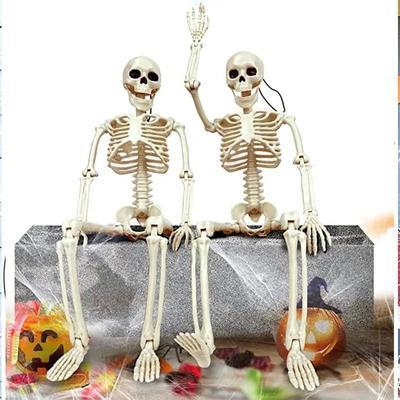
Uplifted Finds Humanoid Skeleton Modeling Prop Posable Halloween Decorative Frame Executive Haunted & Studio Sanctuary Decor 2 Pcs"Inaugurate a chilling ""EternalSanctuary"" energy in your environment with our Modeling Humanoid Skeleton Prop. This premium anatomical decorative frame is the ultimate designer solution for creating a ""GothicModern"" or ""ExecutiveStudioLuxe""..."61,97 $*Shipping: 0,00 $Secure redirect to the provider
-
Youfap Market Creative Ceramic 3D Recycling Bin Mug, Trash Can Modeling Cup, Personality Funny Coffee Cup greenA Fun Mug That Sparks Smiles Every Morning Turn your daily coffee moment into something playful with the Creative Ceramic 3D Recycling Bin Mug. Designed to look like a tiny trash can, this shape garbage trash can coffee cup adds humor and...49,97 $*Shipping: 0,00 $Secure redirect to the provider
-
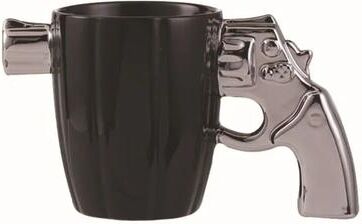
Uplift Essentials Creative 3D Revolver Modeling Ceramic Coffee Mug silverAdd a bold, playful edge to your morning routine with this 3D revolver gun ceramic mug. Designed with a creative and humorous touch, this mug features a unique handle modeled after a classic revolver, making it a standout piece for your kitchen or...92,97 $*Shipping: 0,00 $Secure redirect to the provider


-
How do you calculate covariance?
Covariance is calculated by taking the average of the product of the deviations of each variable from their respective means. The formula for calculating covariance between two variables X and Y is: Cov(X,Y) = Σ[(X - μx)(Y - μy)] / n, where μx and μy are the means of X and Y, and n is the number of data points. A positive covariance indicates that the two variables tend to move in the same direction, while a negative covariance indicates that they tend to move in opposite directions. **
-
How do I determine the covariance?
Covariance is a measure of how two variables change together. To determine the covariance between two variables, you first need to calculate the mean of each variable. Then, for each pair of data points, you subtract the mean of each variable from the data point and multiply these differences together. Finally, you sum up all these products and divide by the total number of data points to get the covariance. A positive covariance indicates that the variables tend to move in the same direction, while a negative covariance indicates they move in opposite directions. **
-
What is independence and covariance in statistics?
Independence in statistics refers to the concept that the occurrence of one event does not affect the occurrence of another event. In other words, two events are independent if the probability of one event occurring does not change based on the occurrence of the other event. Covariance, on the other hand, measures the degree to which two random variables change together. It is a measure of the relationship between two variables, indicating whether they tend to increase or decrease together. A positive covariance indicates that the variables tend to move in the same direction, while a negative covariance indicates that they tend to move in opposite directions. **
-
What is the difference between contra and covariance?
The main difference between contra and covariance is the way they measure the relationship between two variables. Contra indicates an inverse relationship, meaning that as one variable increases, the other decreases. On the other hand, covariance measures the direction of the relationship between two variables, whether it is positive or negative. Contra is specifically used to describe the relationship between two securities in a portfolio, while covariance is a more general measure of the relationship between any two variables. **

Do outliers affect covariance, the correlation coefficient, or both?
Outliers can affect both covariance and the correlation coefficient. Outliers can have a significant impact on the covariance because they can pull the mean away from the center of the data, leading to a larger covariance value. Similarly, outliers can also influence the correlation coefficient by skewing the relationship between the variables, potentially increasing or decreasing the strength of the correlation. Therefore, it is important to be aware of outliers when interpreting covariance and correlation values. **
Is the square root of the covariance the variance?
No, the square root of the covariance is not the variance. The square root of the covariance is the correlation coefficient, which measures the strength and direction of the linear relationship between two variables. The variance, on the other hand, measures the spread or dispersion of a single variable. While both the covariance and variance are measures of variability, they are calculated and interpreted differently. **
Top-Angebote
Products related to Covariance:
-
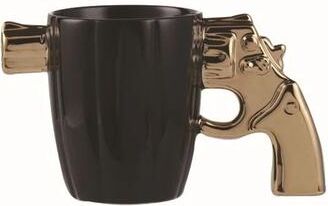
Uplift Essentials Creative 3D Revolver Modeling Ceramic Coffee Mug goldAdd a bold, playful edge to your morning routine with this 3D revolver gun ceramic mug. Designed with a creative and humorous touch, this mug features a unique handle modeled after a classic revolver, making it a standout piece for your kitchen or...92,97 $*Shipping: 0,00 $Secure redirect to the provider
-
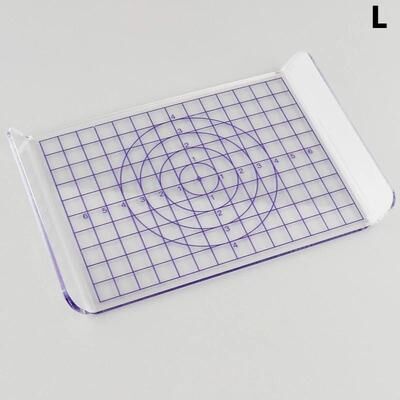
Uplifted Goods Clay Modeling Press Stick Tool For Crafting And Creative Play largeEncourage creativity and handson fun with this clay modeling press stick tool designed for shaping and texturing clay materials. Perfect for paper clay, polymer clay, soft plasticine, slime, and other modeling compounds, this tool helps create...39,97 $*Shipping: 0,00 $Secure redirect to the provider
-
Inspire Picks 9 Piece Professional Modeling Tool Kit Hobby Building DIY Construction Set 1 SetBuild with precision and confidence using this versatile modeling tool kit designed for hobbyists, beginners, and experienced builders alike. Whether youre assembling car models, construction kits, or DIY toys, this compact set includes the...34,93 $*Shipping: 0,00 $Secure redirect to the provider
-
Uplifted Finds Humanoid Skeleton Modeling Prop Posable Halloween Decorative Frame Executive Haunted & Studio Sanctuary Decor 2 Pcs"Inaugurate a chilling ""EternalSanctuary"" energy in your environment with our Modeling Humanoid Skeleton Prop. This premium anatomical decorative frame is the ultimate designer solution for creating a ""GothicModern"" or ""ExecutiveStudioLuxe""..."61,97 $*Shipping: 0,00 $Secure redirect to the provider
-
What is differential covariance?
Differential covariance refers to the difference in the covariance between two variables across different groups or conditions. It is used to assess whether the relationship between two variables varies depending on different levels of a third variable. This can help to identify how the strength and direction of the relationship between two variables may change under different circumstances or conditions. Differential covariance is important in understanding how different factors may influence the relationship between variables in a given context. **
-
How can one annualize covariance?
To annualize covariance, you would first calculate the covariance between two variables over a specific time period. Then, you would multiply this covariance by the number of periods in a year to adjust for the fact that the original calculation was based on a shorter time frame. This helps to provide a more meaningful comparison of the relationship between the variables on an annual basis. Finally, annualizing covariance allows for better understanding and comparison of the risk and return characteristics of different assets or portfolios over time. **
-
How do you calculate covariance?
Covariance is calculated by taking the average of the product of the deviations of each variable from their respective means. The formula for calculating covariance between two variables X and Y is: Cov(X,Y) = Σ[(X - μx)(Y - μy)] / n, where μx and μy are the means of X and Y, and n is the number of data points. A positive covariance indicates that the two variables tend to move in the same direction, while a negative covariance indicates that they tend to move in opposite directions. **
-
How do I determine the covariance?
Covariance is a measure of how two variables change together. To determine the covariance between two variables, you first need to calculate the mean of each variable. Then, for each pair of data points, you subtract the mean of each variable from the data point and multiply these differences together. Finally, you sum up all these products and divide by the total number of data points to get the covariance. A positive covariance indicates that the variables tend to move in the same direction, while a negative covariance indicates they move in opposite directions. **
Similar search terms for Covariance
-
Youfap Market Creative Ceramic 3D Recycling Bin Mug, Trash Can Modeling Cup, Personality Funny Coffee Cup greenA Fun Mug That Sparks Smiles Every Morning Turn your daily coffee moment into something playful with the Creative Ceramic 3D Recycling Bin Mug. Designed to look like a tiny trash can, this shape garbage trash can coffee cup adds humor and...49,97 $*Shipping: 0,00 $Secure redirect to the provider
-
Uplift Essentials Creative 3D Revolver Modeling Ceramic Coffee Mug silverAdd a bold, playful edge to your morning routine with this 3D revolver gun ceramic mug. Designed with a creative and humorous touch, this mug features a unique handle modeled after a classic revolver, making it a standout piece for your kitchen or...92,97 $*Shipping: 0,00 $Secure redirect to the provider
-
Uplifted Goods Clay Modeling Press Stick Tool For Crafting And Creative Play smallEncourage creativity and handson fun with this clay modeling press stick tool designed for shaping and texturing clay materials. Perfect for paper clay, polymer clay, soft plasticine, slime, and other modeling compounds, this tool helps create...34,97 $*Shipping: 0,00 $Secure redirect to the provider
-
Inspire Picks 9 Piece Professional Modeling Tool Kit Hobby Building DIY Construction Set 3 SetBuild with precision and confidence using this versatile modeling tool kit designed for hobbyists, beginners, and experienced builders alike. Whether youre assembling car models, construction kits, or DIY toys, this compact set includes the...85,48 $*Shipping: 0,00 $Secure redirect to the provider
-
What is independence and covariance in statistics?
Independence in statistics refers to the concept that the occurrence of one event does not affect the occurrence of another event. In other words, two events are independent if the probability of one event occurring does not change based on the occurrence of the other event. Covariance, on the other hand, measures the degree to which two random variables change together. It is a measure of the relationship between two variables, indicating whether they tend to increase or decrease together. A positive covariance indicates that the variables tend to move in the same direction, while a negative covariance indicates that they tend to move in opposite directions. **
-
What is the difference between contra and covariance?
The main difference between contra and covariance is the way they measure the relationship between two variables. Contra indicates an inverse relationship, meaning that as one variable increases, the other decreases. On the other hand, covariance measures the direction of the relationship between two variables, whether it is positive or negative. Contra is specifically used to describe the relationship between two securities in a portfolio, while covariance is a more general measure of the relationship between any two variables. **
-
Do outliers affect covariance, the correlation coefficient, or both?
Outliers can affect both covariance and the correlation coefficient. Outliers can have a significant impact on the covariance because they can pull the mean away from the center of the data, leading to a larger covariance value. Similarly, outliers can also influence the correlation coefficient by skewing the relationship between the variables, potentially increasing or decreasing the strength of the correlation. Therefore, it is important to be aware of outliers when interpreting covariance and correlation values. **
-
Is the square root of the covariance the variance?
No, the square root of the covariance is not the variance. The square root of the covariance is the correlation coefficient, which measures the strength and direction of the linear relationship between two variables. The variance, on the other hand, measures the spread or dispersion of a single variable. While both the covariance and variance are measures of variability, they are calculated and interpreted differently. **
* All prices are inclusive of VAT and, if applicable, plus shipping costs. The offer information is based on the details provided by the respective shop and is updated through automated processes. Real-time updates do not occur, so deviations can occur in individual cases. ** Note: Parts of this content were created by AI.