Buy 3dlab.eu ?
We are moving the project
3dlab.eu .
Are you interested in purchasing the domain
3dlab.eu ?
domain@kv-gmbh.de · 0541-91531010
Buy 3dlab.eu ?
Can hexane dissolve in decane?
Yes, hexane can dissolve in decane. Both hexane and decane are nonpolar hydrocarbons, which means they have similar intermolecular forces and can mix together. Hexane will dissolve in decane because like dissolves like, and both compounds are nonpolar molecules. **
What is the most difficult structural formula of decane?
The most difficult structural formula of decane is the fully condensed structural formula, which shows all the carbon-carbon bonds and hydrogen atoms. This formula can be quite complex and difficult to draw because it requires accurately representing all 10 carbon atoms and 22 hydrogen atoms in a linear chain. Additionally, ensuring that all the atoms and bonds are correctly placed and labeled can be challenging. **


Similar search terms for Decane
Top-Angebote
Products related to Decane:
-
Lola Cosmetics Plot Twist Guava Modeling Hair Cream 480gA hair-care product. Intensifies and defines natural curl patterns. Long-lasting hold with high shine. Detangles without weighing down. Fights frizz and enhances hydration retention. Ideal for low porosity hair and all curl types. Guava Oil: Rich in antioxidants and vitamins A and C, it nourishes and boosts shine.11,65 £*Shipping: 10,02 £Secure redirect to the provider
-
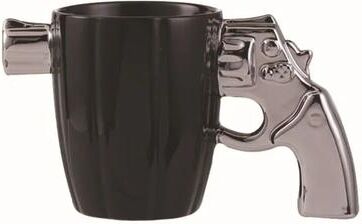
Uplift Essentials Creative 3D Revolver Modeling Ceramic Coffee Mug silverAdd a bold, playful edge to your morning routine with this 3D revolver gun ceramic mug. Designed with a creative and humorous touch, this mug features a unique handle modeled after a classic revolver, making it a standout piece for your kitchen or...92,97 $*Shipping: 0,00 $Secure redirect to the provider
-
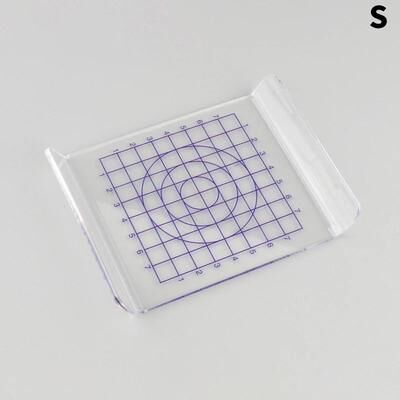
Uplifted Goods Clay Modeling Press Stick Tool For Crafting And Creative Play smallEncourage creativity and handson fun with this clay modeling press stick tool designed for shaping and texturing clay materials. Perfect for paper clay, polymer clay, soft plasticine, slime, and other modeling compounds, this tool helps create...34,97 $*Shipping: 0,00 $Secure redirect to the provider
-
Inspire Picks 9 Piece Professional Modeling Tool Kit Hobby Building DIY Construction Set 3 SetBuild with precision and confidence using this versatile modeling tool kit designed for hobbyists, beginners, and experienced builders alike. Whether youre assembling car models, construction kits, or DIY toys, this compact set includes the...85,48 $*Shipping: 0,00 $Secure redirect to the provider


-
Why does decane have a higher boiling point than butane?
Decane has a higher boiling point than butane because it has a larger molecular size and more surface area for intermolecular forces to act upon. Decane has a longer carbon chain, which results in stronger London dispersion forces between its molecules compared to the shorter carbon chain of butane. These stronger intermolecular forces require more energy to overcome, leading to a higher boiling point for decane compared to butane. **
-
Can you please explain the process of cracking decane in chemistry?
Cracking decane in chemistry involves breaking down the long hydrocarbon chain of decane into smaller, more useful hydrocarbons. This process typically involves heating decane to high temperatures in the presence of a catalyst, such as zeolite or platinum. The high temperatures cause the carbon-carbon bonds in decane to break, leading to the formation of smaller hydrocarbons like ethene, propene, and butene. These smaller hydrocarbons are valuable as they can be used as feedstocks for various industrial processes, such as the production of plastics or fuels. **
-
Why do the boiling temperatures differ between methane, methanol, and decane, decanol?
The boiling temperatures differ between methane, methanol, decane, and decanol due to differences in their molecular structures and intermolecular forces. Methane, a simple hydrocarbon, has the lowest boiling point because it only has weak van der Waals forces between its molecules. Methanol, with a hydroxyl group, has stronger hydrogen bonding between its molecules, resulting in a higher boiling point. Decane, a larger hydrocarbon, has even stronger van der Waals forces, leading to a higher boiling point than methanol. Decanol, with a hydroxyl group, has the strongest intermolecular forces due to both hydrogen bonding and van der Waals forces, resulting in the highest boiling point among the four compounds. **
-
What are the differences between the boiling and melting temperatures of ethane and decane?
The boiling temperature of ethane is much lower than that of decane because ethane is a smaller molecule with weaker intermolecular forces, making it easier to break the bonds and transition to a gaseous state. On the other hand, decane has a higher boiling temperature due to its larger size and stronger intermolecular forces, requiring more energy to break the bonds and reach a gaseous state. The melting temperature of ethane is also lower than that of decane for similar reasons related to molecular size and intermolecular forces. **
What is the reason for Ethan, Methanol, Decane, and Nonanol having different boiling points?
The reason for Ethan, Methanol, Decane, and Nonanol having different boiling points is due to differences in their molecular structures and intermolecular forces. Ethan, being a small molecule, has weaker London dispersion forces compared to Methanol, which has stronger hydrogen bonding due to the presence of the hydroxyl group. Decane and Nonanol have even higher boiling points due to their larger molecular size and increased surface area, leading to stronger London dispersion forces. Additionally, Nonanol has the added effect of hydrogen bonding due to the presence of the hydroxyl group, further increasing its boiling point compared to Decane. **
Why do the boiling points increase in the series of alkanes from methane to decane?
The boiling points of alkanes increase as the molecular weight and size of the molecules increase. This is because larger molecules have stronger London dispersion forces, which are the primary intermolecular forces in alkanes. These forces require more energy to overcome, resulting in higher boiling points. Additionally, larger molecules have a greater surface area for these forces to act upon, further increasing the boiling point. Therefore, as the number of carbon atoms in the alkane chain increases from methane to decane, the boiling points also increase. **
Top-Angebote
Products related to Decane:
-
René Furterer Style Modeling Paste 75mLA hair-care product. Excellent to give movement to short and medium cuts. Anatide maintains hair natural moisture and preserves its structure while kaolin is responsible for paste moldable texture. Work a small amount of product on hand and create and draw the desired movement.9,97 £*Shipping: 5,34 £Secure redirect to the provider
-
Bperfect Indestructi'Brow Brow Hold Wax - Modeling Wax 34gA skin-care product. Indestructi'Brow Brow Hold Wax – your solution to taming, sculpting, and setting your brows in a single effortless glide. This extraordinary hold wax ensures your brows remain impeccable throughout the day. For an unrivaled combination of hold and impact, embrace this clear brow wax that requires no activation.8,81 £*Shipping: 4,22 £Secure redirect to the provider
-
Lola Cosmetics Plot Twist Guava Modeling Hair Cream 480gA hair-care product. Intensifies and defines natural curl patterns. Long-lasting hold with high shine. Detangles without weighing down. Fights frizz and enhances hydration retention. Ideal for low porosity hair and all curl types. Guava Oil: Rich in antioxidants and vitamins A and C, it nourishes and boosts shine.11,65 £*Shipping: 10,02 £Secure redirect to the provider
-
Uplift Essentials Creative 3D Revolver Modeling Ceramic Coffee Mug silverAdd a bold, playful edge to your morning routine with this 3D revolver gun ceramic mug. Designed with a creative and humorous touch, this mug features a unique handle modeled after a classic revolver, making it a standout piece for your kitchen or...92,97 $*Shipping: 0,00 $Secure redirect to the provider
-
Can hexane dissolve in decane?
Yes, hexane can dissolve in decane. Both hexane and decane are nonpolar hydrocarbons, which means they have similar intermolecular forces and can mix together. Hexane will dissolve in decane because like dissolves like, and both compounds are nonpolar molecules. **
-
What is the most difficult structural formula of decane?
The most difficult structural formula of decane is the fully condensed structural formula, which shows all the carbon-carbon bonds and hydrogen atoms. This formula can be quite complex and difficult to draw because it requires accurately representing all 10 carbon atoms and 22 hydrogen atoms in a linear chain. Additionally, ensuring that all the atoms and bonds are correctly placed and labeled can be challenging. **
-
Why does decane have a higher boiling point than butane?
Decane has a higher boiling point than butane because it has a larger molecular size and more surface area for intermolecular forces to act upon. Decane has a longer carbon chain, which results in stronger London dispersion forces between its molecules compared to the shorter carbon chain of butane. These stronger intermolecular forces require more energy to overcome, leading to a higher boiling point for decane compared to butane. **
-
Can you please explain the process of cracking decane in chemistry?
Cracking decane in chemistry involves breaking down the long hydrocarbon chain of decane into smaller, more useful hydrocarbons. This process typically involves heating decane to high temperatures in the presence of a catalyst, such as zeolite or platinum. The high temperatures cause the carbon-carbon bonds in decane to break, leading to the formation of smaller hydrocarbons like ethene, propene, and butene. These smaller hydrocarbons are valuable as they can be used as feedstocks for various industrial processes, such as the production of plastics or fuels. **
Similar search terms for Decane
-
Uplifted Goods Clay Modeling Press Stick Tool For Crafting And Creative Play smallEncourage creativity and handson fun with this clay modeling press stick tool designed for shaping and texturing clay materials. Perfect for paper clay, polymer clay, soft plasticine, slime, and other modeling compounds, this tool helps create...34,97 $*Shipping: 0,00 $Secure redirect to the provider
-
Inspire Picks 9 Piece Professional Modeling Tool Kit Hobby Building DIY Construction Set 3 SetBuild with precision and confidence using this versatile modeling tool kit designed for hobbyists, beginners, and experienced builders alike. Whether youre assembling car models, construction kits, or DIY toys, this compact set includes the...85,48 $*Shipping: 0,00 $Secure redirect to the provider
-
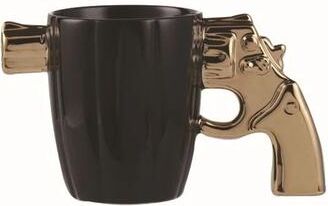
Uplift Essentials Creative 3D Revolver Modeling Ceramic Coffee Mug goldAdd a bold, playful edge to your morning routine with this 3D revolver gun ceramic mug. Designed with a creative and humorous touch, this mug features a unique handle modeled after a classic revolver, making it a standout piece for your kitchen or...92,97 $*Shipping: 0,00 $Secure redirect to the provider
-
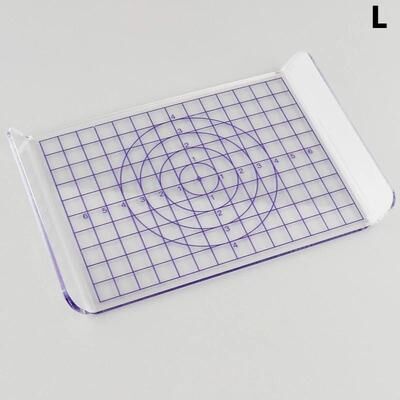
Uplifted Goods Clay Modeling Press Stick Tool For Crafting And Creative Play largeEncourage creativity and handson fun with this clay modeling press stick tool designed for shaping and texturing clay materials. Perfect for paper clay, polymer clay, soft plasticine, slime, and other modeling compounds, this tool helps create...39,97 $*Shipping: 0,00 $Secure redirect to the provider
-
Why do the boiling temperatures differ between methane, methanol, and decane, decanol?
The boiling temperatures differ between methane, methanol, decane, and decanol due to differences in their molecular structures and intermolecular forces. Methane, a simple hydrocarbon, has the lowest boiling point because it only has weak van der Waals forces between its molecules. Methanol, with a hydroxyl group, has stronger hydrogen bonding between its molecules, resulting in a higher boiling point. Decane, a larger hydrocarbon, has even stronger van der Waals forces, leading to a higher boiling point than methanol. Decanol, with a hydroxyl group, has the strongest intermolecular forces due to both hydrogen bonding and van der Waals forces, resulting in the highest boiling point among the four compounds. **
-
What are the differences between the boiling and melting temperatures of ethane and decane?
The boiling temperature of ethane is much lower than that of decane because ethane is a smaller molecule with weaker intermolecular forces, making it easier to break the bonds and transition to a gaseous state. On the other hand, decane has a higher boiling temperature due to its larger size and stronger intermolecular forces, requiring more energy to break the bonds and reach a gaseous state. The melting temperature of ethane is also lower than that of decane for similar reasons related to molecular size and intermolecular forces. **
-
What is the reason for Ethan, Methanol, Decane, and Nonanol having different boiling points?
The reason for Ethan, Methanol, Decane, and Nonanol having different boiling points is due to differences in their molecular structures and intermolecular forces. Ethan, being a small molecule, has weaker London dispersion forces compared to Methanol, which has stronger hydrogen bonding due to the presence of the hydroxyl group. Decane and Nonanol have even higher boiling points due to their larger molecular size and increased surface area, leading to stronger London dispersion forces. Additionally, Nonanol has the added effect of hydrogen bonding due to the presence of the hydroxyl group, further increasing its boiling point compared to Decane. **
-
Why do the boiling points increase in the series of alkanes from methane to decane?
The boiling points of alkanes increase as the molecular weight and size of the molecules increase. This is because larger molecules have stronger London dispersion forces, which are the primary intermolecular forces in alkanes. These forces require more energy to overcome, resulting in higher boiling points. Additionally, larger molecules have a greater surface area for these forces to act upon, further increasing the boiling point. Therefore, as the number of carbon atoms in the alkane chain increases from methane to decane, the boiling points also increase. **
* All prices are inclusive of VAT and, if applicable, plus shipping costs. The offer information is based on the details provided by the respective shop and is updated through automated processes. Real-time updates do not occur, so deviations can occur in individual cases. ** Note: Parts of this content were created by AI.