Buy 3dlab.eu ?
We are moving the project
3dlab.eu .
Are you interested in purchasing the domain
3dlab.eu ?
domain@kv-gmbh.de · 0541-91531010
Buy 3dlab.eu ?
What do 'watashi' and 'konnichiwa' mean?
'Watashi' means 'I' or 'me' in Japanese and is a common way to refer to oneself. 'Konnichiwa' is a greeting in Japanese that is used during the daytime to say 'hello' or 'good afternoon'. Both of these words are commonly used in everyday conversations in Japan. **
"Instead of konnichiwa, konnichiha is used."
The statement is incorrect. "Konnichiwa" is the correct way to say "hello" in Japanese, used during the daytime. "Konnichiha" is not a standard greeting in Japanese and would be considered incorrect. It's important to use the correct form of greeting when speaking in Japanese to show respect and understanding of the language. **


Similar search terms for Konnichiwa
Top-Angebote
Products related to Konnichiwa:
-
Lola Cosmetics Plot Twist Guava Modeling Hair Cream 480gA hair-care product. Intensifies and defines natural curl patterns. Long-lasting hold with high shine. Detangles without weighing down. Fights frizz and enhances hydration retention. Ideal for low porosity hair and all curl types. Guava Oil: Rich in antioxidants and vitamins A and C, it nourishes and boosts shine.11,65 £*Shipping: 10,02 £Secure redirect to the provider
-
Uplift Essentials Creative 3D Revolver Modeling Ceramic Coffee Mug silverAdd a bold, playful edge to your morning routine with this 3D revolver gun ceramic mug. Designed with a creative and humorous touch, this mug features a unique handle modeled after a classic revolver, making it a standout piece for your kitchen or...92,97 $*Shipping: 0,00 $Secure redirect to the provider
-
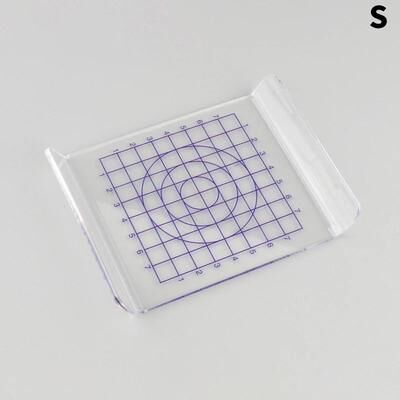
Uplifted Goods Clay Modeling Press Stick Tool For Crafting And Creative Play smallEncourage creativity and handson fun with this clay modeling press stick tool designed for shaping and texturing clay materials. Perfect for paper clay, polymer clay, soft plasticine, slime, and other modeling compounds, this tool helps create...34,97 $*Shipping: 0,00 $Secure redirect to the provider
-
Inspire Picks 9 Piece Professional Modeling Tool Kit Hobby Building DIY Construction Set 3 SetBuild with precision and confidence using this versatile modeling tool kit designed for hobbyists, beginners, and experienced builders alike. Whether youre assembling car models, construction kits, or DIY toys, this compact set includes the...85,48 $*Shipping: 0,00 $Secure redirect to the provider



-
Why are Japanese people so polite, Konnichiwa?
Japanese people are known for their politeness due to cultural values that emphasize respect, harmony, and consideration for others. The concept of "wa" or harmony is deeply ingrained in Japanese society, leading to a strong emphasis on maintaining positive relationships and avoiding conflict. Politeness is also seen as a way to show appreciation and consideration for others, reflecting the importance of social harmony in Japanese culture. Additionally, the use of polite language and gestures is a way to show humility and respect towards others, regardless of their social status. **
-
Why is "konnichiwa" written with the character "ha"?
"Konnichiwa" is written with the character "ha" in Japanese because the pronunciation of the character "ha" changes to "wa" when used as a particle in certain words. In this case, "ha" is used as a particle to indicate a greeting, and it is pronounced as "wa" in the word "konnichiwa." This change in pronunciation is a common feature in the Japanese language. **
-
What is the correct spelling: konnichiwa or konichiwa?
The correct spelling is "konnichiwa." This is the standard romanization of the Japanese word こんにちは, which is used to greet someone during the day. The double "n" in "konnichiwa" reflects the long vowel sound in the second syllable of the word. **
-
Why is "konnichiwa" written with a "w" and not with a "v"?
"Konnichiwa" is written with a "w" in the Romanized form because the Japanese language does not have a distinct "v" sound. The closest sound in Japanese to the English "v" is actually the "w" sound. Therefore, when transliterating Japanese words into the Roman alphabet, the "w" is used to represent the closest sound to the original Japanese pronunciation. **

How can you design an acrylic nail modeling with color?
To design an acrylic nail modeling with color, you can start by choosing the desired nail shape and length. Then, apply a clear acrylic base to the natural nail and let it dry. Next, you can mix the desired color pigment with the acrylic powder and apply it to the nail, shaping and smoothing it as you go. Finally, you can add any additional designs or embellishments, such as glitter or nail art, before sealing the design with a clear acrylic top coat. **
Is all of this just a fabrication?
No, not all of this is a fabrication. While some information may be fabricated or exaggerated, there are also elements of truth and reality in what is being presented. It's important to critically evaluate the information and consider multiple sources before coming to a conclusion about its authenticity. **
Top-Angebote
Products related to Konnichiwa:
-
René Furterer Style Modeling Paste 75mLA hair-care product. Excellent to give movement to short and medium cuts. Anatide maintains hair natural moisture and preserves its structure while kaolin is responsible for paste moldable texture. Work a small amount of product on hand and create and draw the desired movement.9,97 £*Shipping: 5,34 £Secure redirect to the provider
-
Bperfect Indestructi'Brow Brow Hold Wax - Modeling Wax 34gA skin-care product. Indestructi'Brow Brow Hold Wax – your solution to taming, sculpting, and setting your brows in a single effortless glide. This extraordinary hold wax ensures your brows remain impeccable throughout the day. For an unrivaled combination of hold and impact, embrace this clear brow wax that requires no activation.8,81 £*Shipping: 4,22 £Secure redirect to the provider
-
Lola Cosmetics Plot Twist Guava Modeling Hair Cream 480gA hair-care product. Intensifies and defines natural curl patterns. Long-lasting hold with high shine. Detangles without weighing down. Fights frizz and enhances hydration retention. Ideal for low porosity hair and all curl types. Guava Oil: Rich in antioxidants and vitamins A and C, it nourishes and boosts shine.11,65 £*Shipping: 10,02 £Secure redirect to the provider
-
Uplift Essentials Creative 3D Revolver Modeling Ceramic Coffee Mug silverAdd a bold, playful edge to your morning routine with this 3D revolver gun ceramic mug. Designed with a creative and humorous touch, this mug features a unique handle modeled after a classic revolver, making it a standout piece for your kitchen or...92,97 $*Shipping: 0,00 $Secure redirect to the provider
-
What do 'watashi' and 'konnichiwa' mean?
'Watashi' means 'I' or 'me' in Japanese and is a common way to refer to oneself. 'Konnichiwa' is a greeting in Japanese that is used during the daytime to say 'hello' or 'good afternoon'. Both of these words are commonly used in everyday conversations in Japan. **
-
"Instead of konnichiwa, konnichiha is used."
The statement is incorrect. "Konnichiwa" is the correct way to say "hello" in Japanese, used during the daytime. "Konnichiha" is not a standard greeting in Japanese and would be considered incorrect. It's important to use the correct form of greeting when speaking in Japanese to show respect and understanding of the language. **
-
Why are Japanese people so polite, Konnichiwa?
Japanese people are known for their politeness due to cultural values that emphasize respect, harmony, and consideration for others. The concept of "wa" or harmony is deeply ingrained in Japanese society, leading to a strong emphasis on maintaining positive relationships and avoiding conflict. Politeness is also seen as a way to show appreciation and consideration for others, reflecting the importance of social harmony in Japanese culture. Additionally, the use of polite language and gestures is a way to show humility and respect towards others, regardless of their social status. **
-
Why is "konnichiwa" written with the character "ha"?
"Konnichiwa" is written with the character "ha" in Japanese because the pronunciation of the character "ha" changes to "wa" when used as a particle in certain words. In this case, "ha" is used as a particle to indicate a greeting, and it is pronounced as "wa" in the word "konnichiwa." This change in pronunciation is a common feature in the Japanese language. **
Similar search terms for Konnichiwa
-
Uplifted Goods Clay Modeling Press Stick Tool For Crafting And Creative Play smallEncourage creativity and handson fun with this clay modeling press stick tool designed for shaping and texturing clay materials. Perfect for paper clay, polymer clay, soft plasticine, slime, and other modeling compounds, this tool helps create...34,97 $*Shipping: 0,00 $Secure redirect to the provider
-
Inspire Picks 9 Piece Professional Modeling Tool Kit Hobby Building DIY Construction Set 3 SetBuild with precision and confidence using this versatile modeling tool kit designed for hobbyists, beginners, and experienced builders alike. Whether youre assembling car models, construction kits, or DIY toys, this compact set includes the...85,48 $*Shipping: 0,00 $Secure redirect to the provider
-
Uplift Essentials Creative 3D Revolver Modeling Ceramic Coffee Mug goldAdd a bold, playful edge to your morning routine with this 3D revolver gun ceramic mug. Designed with a creative and humorous touch, this mug features a unique handle modeled after a classic revolver, making it a standout piece for your kitchen or...92,97 $*Shipping: 0,00 $Secure redirect to the provider
-
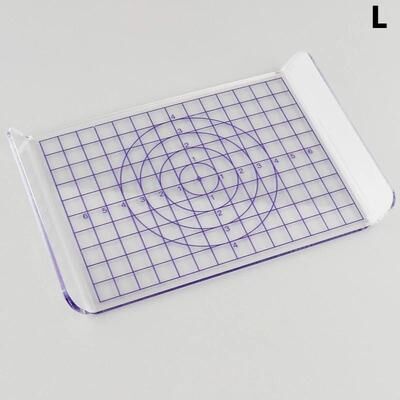
Uplifted Goods Clay Modeling Press Stick Tool For Crafting And Creative Play largeEncourage creativity and handson fun with this clay modeling press stick tool designed for shaping and texturing clay materials. Perfect for paper clay, polymer clay, soft plasticine, slime, and other modeling compounds, this tool helps create...39,97 $*Shipping: 0,00 $Secure redirect to the provider
-
What is the correct spelling: konnichiwa or konichiwa?
The correct spelling is "konnichiwa." This is the standard romanization of the Japanese word こんにちは, which is used to greet someone during the day. The double "n" in "konnichiwa" reflects the long vowel sound in the second syllable of the word. **
-
Why is "konnichiwa" written with a "w" and not with a "v"?
"Konnichiwa" is written with a "w" in the Romanized form because the Japanese language does not have a distinct "v" sound. The closest sound in Japanese to the English "v" is actually the "w" sound. Therefore, when transliterating Japanese words into the Roman alphabet, the "w" is used to represent the closest sound to the original Japanese pronunciation. **
-
How can you design an acrylic nail modeling with color?
To design an acrylic nail modeling with color, you can start by choosing the desired nail shape and length. Then, apply a clear acrylic base to the natural nail and let it dry. Next, you can mix the desired color pigment with the acrylic powder and apply it to the nail, shaping and smoothing it as you go. Finally, you can add any additional designs or embellishments, such as glitter or nail art, before sealing the design with a clear acrylic top coat. **
-
Is all of this just a fabrication?
No, not all of this is a fabrication. While some information may be fabricated or exaggerated, there are also elements of truth and reality in what is being presented. It's important to critically evaluate the information and consider multiple sources before coming to a conclusion about its authenticity. **
* All prices are inclusive of VAT and, if applicable, plus shipping costs. The offer information is based on the details provided by the respective shop and is updated through automated processes. Real-time updates do not occur, so deviations can occur in individual cases. ** Note: Parts of this content were created by AI.