Buy 3dlab.eu ?
We are moving the project
3dlab.eu .
Are you interested in purchasing the domain
3dlab.eu ?
domain@kv-gmbh.de · 0541-91531010
Buy 3dlab.eu ?
How can one implement a natural meadow in garden design?
To implement a natural meadow in garden design, one can start by selecting native wildflower seeds and grasses that are well-suited to the local climate and soil conditions. It's important to prepare the soil by removing any existing grass or weeds and loosening the top layer to allow for good seed-to-soil contact. Sowing the seeds in the fall or early spring, and then lightly raking them into the soil, will help promote germination. Regular watering, especially during the establishment phase, and minimal mowing or maintenance will help the meadow thrive and attract pollinators and wildlife. **
How can a natural meadow be implemented in garden design?
To implement a natural meadow in garden design, one can start by selecting native grasses and wildflowers that thrive in the local climate and soil conditions. These plants should be arranged in a way that mimics the natural growth patterns found in meadows, with taller plants towards the back and shorter ones towards the front. It is important to allow the meadow to grow and evolve naturally, only intervening when necessary to control invasive species or promote biodiversity. Additionally, incorporating pathways or seating areas within the meadow can provide opportunities for people to enjoy and interact with this naturalistic garden feature. **


Similar search terms for Lenox-Butterfly-Meadow-Serve
Top-Angebote
Products related to Lenox-Butterfly-Meadow-Serve:

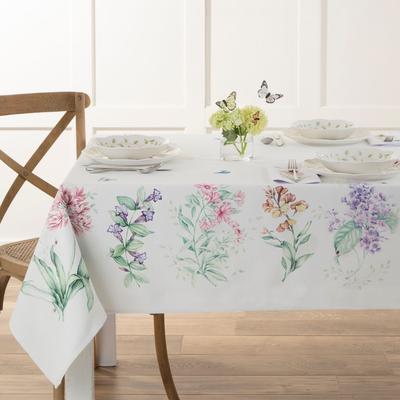
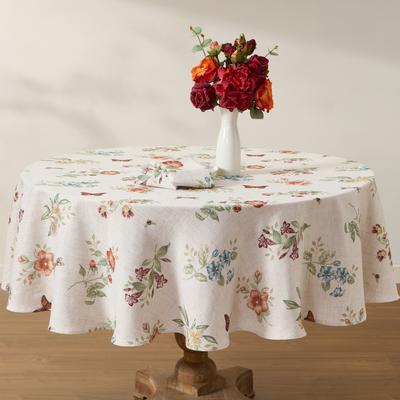
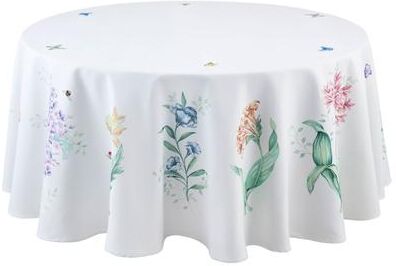
-
Why is the butterfly called butterfly in English?
The origin of the word "butterfly" in English is uncertain, but one theory suggests that it may have come from the Old English word "buttorfleoge," which means "butterfly." This could be because butterflies were often seen fluttering around dairy products like butter. Another theory is that the name comes from the yellow color of some species, resembling the color of butter. Ultimately, the exact reason for the name "butterfly" remains a bit of a mystery. **
-
What would it mean for consumption and industry if grass growing in the meadow were to serve as food for humans?
If grass growing in the meadow were to serve as food for humans, it would have a significant impact on consumption and industry. Firstly, it would require a shift in consumer behavior and dietary habits, as people would need to adapt to incorporating grass into their diets. This could potentially lead to a decrease in demand for traditional food products, impacting the food industry. Additionally, there would be a need for innovation in agriculture and food processing to efficiently and sustainably produce and distribute grass-based food products. Overall, the shift to grass as a food source would have wide-ranging implications for both consumption patterns and the food industry. **
-
Can you eat meadow chervil?
Meadow chervil (Anthriscus sylvestris) is a plant that is considered edible and has a flavor similar to parsley. However, it is important to be cautious when foraging for wild plants as misidentification can lead to consuming toxic lookalikes. It is recommended to consult with an expert or guidebook before consuming meadow chervil or any wild plant. **
-
When does meadow chervil bloom?
Meadow chervil typically blooms in late spring to early summer, usually from May to July. This delicate wildflower can be found in meadows, fields, and along roadsides, displaying clusters of small white or pink flowers. Meadow chervil is known for its lacy foliage and attractive umbels of blooms, making it a popular choice for wildflower gardens and natural landscapes. **


What is a flowering meadow?
A flowering meadow is a grassy area that is filled with a diverse array of wildflowers and other flowering plants. These meadows are typically found in open, sunny areas and are important habitats for a wide variety of insects, birds, and other wildlife. Flowering meadows are often characterized by their vibrant colors and the seasonal changes in the types of flowers that bloom throughout the year. They are also important for their role in supporting pollinators and providing ecosystem services such as soil stabilization and water filtration. **
What are unknown meadow mushrooms?
Unknown meadow mushrooms refer to any mushrooms found in meadows that have not been positively identified. These mushrooms could be a variety of different species, some of which may be edible and others that could be toxic. It is important to exercise caution when foraging for unknown meadow mushrooms, as misidentification can lead to serious illness or even death. It is recommended to consult with an experienced mycologist or use a field guide to properly identify any mushrooms found in meadows. **
Top-Angebote
Products related to Lenox-Butterfly-Meadow-Serve:
-
Lenox Butterfly Meadow Serve & Store Container MultiThe circular Butterfly Meadow Serve and Store Container comes with a snap-to-seal lid to keep food fresh. This container is made from dishwasher and microwave-safe, durable white ceramic porcelain for easy reheating and cleaning.35,49 $*Shipping: 0,00 $Secure redirect to the provider
-
How can one implement a natural meadow in garden design?
To implement a natural meadow in garden design, one can start by selecting native wildflower seeds and grasses that are well-suited to the local climate and soil conditions. It's important to prepare the soil by removing any existing grass or weeds and loosening the top layer to allow for good seed-to-soil contact. Sowing the seeds in the fall or early spring, and then lightly raking them into the soil, will help promote germination. Regular watering, especially during the establishment phase, and minimal mowing or maintenance will help the meadow thrive and attract pollinators and wildlife. **
-
How can a natural meadow be implemented in garden design?
To implement a natural meadow in garden design, one can start by selecting native grasses and wildflowers that thrive in the local climate and soil conditions. These plants should be arranged in a way that mimics the natural growth patterns found in meadows, with taller plants towards the back and shorter ones towards the front. It is important to allow the meadow to grow and evolve naturally, only intervening when necessary to control invasive species or promote biodiversity. Additionally, incorporating pathways or seating areas within the meadow can provide opportunities for people to enjoy and interact with this naturalistic garden feature. **
-
Why is the butterfly called butterfly in English?
The origin of the word "butterfly" in English is uncertain, but one theory suggests that it may have come from the Old English word "buttorfleoge," which means "butterfly." This could be because butterflies were often seen fluttering around dairy products like butter. Another theory is that the name comes from the yellow color of some species, resembling the color of butter. Ultimately, the exact reason for the name "butterfly" remains a bit of a mystery. **
-
What would it mean for consumption and industry if grass growing in the meadow were to serve as food for humans?
If grass growing in the meadow were to serve as food for humans, it would have a significant impact on consumption and industry. Firstly, it would require a shift in consumer behavior and dietary habits, as people would need to adapt to incorporating grass into their diets. This could potentially lead to a decrease in demand for traditional food products, impacting the food industry. Additionally, there would be a need for innovation in agriculture and food processing to efficiently and sustainably produce and distribute grass-based food products. Overall, the shift to grass as a food source would have wide-ranging implications for both consumption patterns and the food industry. **
Similar search terms for Lenox-Butterfly-Meadow-Serve
-
Can you eat meadow chervil?
Meadow chervil (Anthriscus sylvestris) is a plant that is considered edible and has a flavor similar to parsley. However, it is important to be cautious when foraging for wild plants as misidentification can lead to consuming toxic lookalikes. It is recommended to consult with an expert or guidebook before consuming meadow chervil or any wild plant. **
-
When does meadow chervil bloom?
Meadow chervil typically blooms in late spring to early summer, usually from May to July. This delicate wildflower can be found in meadows, fields, and along roadsides, displaying clusters of small white or pink flowers. Meadow chervil is known for its lacy foliage and attractive umbels of blooms, making it a popular choice for wildflower gardens and natural landscapes. **
-
What is a flowering meadow?
A flowering meadow is a grassy area that is filled with a diverse array of wildflowers and other flowering plants. These meadows are typically found in open, sunny areas and are important habitats for a wide variety of insects, birds, and other wildlife. Flowering meadows are often characterized by their vibrant colors and the seasonal changes in the types of flowers that bloom throughout the year. They are also important for their role in supporting pollinators and providing ecosystem services such as soil stabilization and water filtration. **
-
What are unknown meadow mushrooms?
Unknown meadow mushrooms refer to any mushrooms found in meadows that have not been positively identified. These mushrooms could be a variety of different species, some of which may be edible and others that could be toxic. It is important to exercise caution when foraging for unknown meadow mushrooms, as misidentification can lead to serious illness or even death. It is recommended to consult with an experienced mycologist or use a field guide to properly identify any mushrooms found in meadows. **
* All prices are inclusive of VAT and, if applicable, plus shipping costs. The offer information is based on the details provided by the respective shop and is updated through automated processes. Real-time updates do not occur, so deviations can occur in individual cases. ** Note: Parts of this content were created by AI.