Buy 3dlab.eu ?
We are moving the project
3dlab.eu .
Are you interested in purchasing the domain
3dlab.eu ?
domain@kv-gmbh.de · 0541-91531010
Buy 3dlab.eu ?
Are Mikado sticks actually Japanese?
Mikado sticks, also known as pick-up sticks or spillikins, are not actually Japanese in origin. They were first played in Europe in the 18th century and were later introduced to Japan where they became popular. The name "Mikado" is a reference to the Emperor of Japan, but the game itself did not originate in Japan. **
Are Mikado sticks even Japanese?
Mikado sticks, also known as pick-up sticks or chopsticks, are not originally Japanese. They are believed to have originated in China and were later introduced to Japan. However, they have become a popular utensil in Japanese culture and are commonly used in Japanese cuisine. So while Mikado sticks may not be inherently Japanese in origin, they have become closely associated with Japanese dining and traditions. **


Similar search terms for Mikado-Living-Roma-L
Top-Angebote
Products related to Mikado-Living-Roma-L:
-
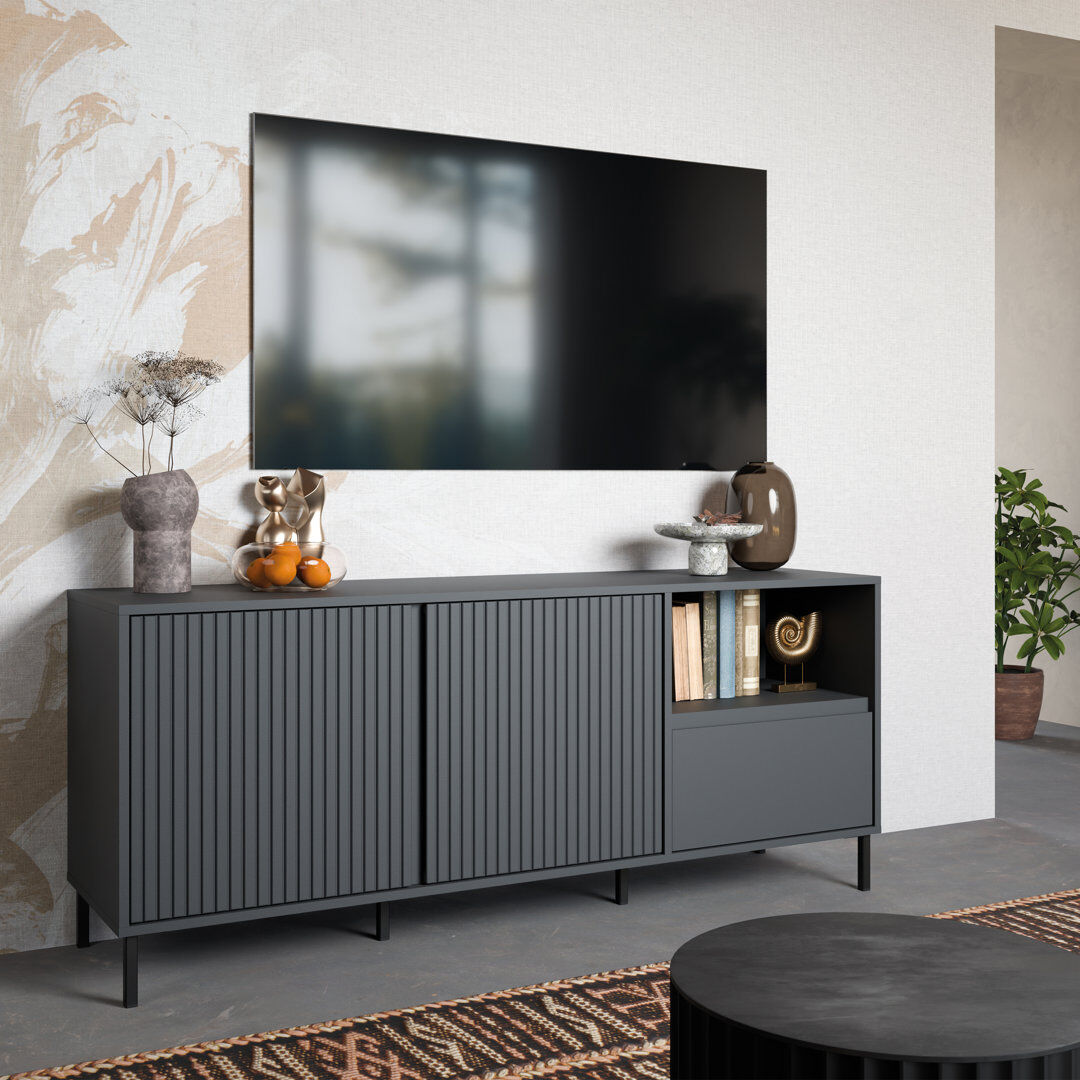
Mikado Living TV Stand Anthracite 65.4cm H x 157.8cm L x 40cm WBring home the Lusaka TV cabinet and complete the aesthetic of your living room with ease. Designed by Scandinavian experts, this TV cabinet effortlessly complements a wide range of interiors and décor themes. The cabinet comes with 2 doors, each concealing 2 shelves underneath, perfect for storing a sizeable amount of your DVD collection, novels, accessories, gaming equipment, or more in each compartment. Mikado Living Colour: Anthracite, Size: 65.4cm H x 157.8cm L x 40cm W319,99 £*Shipping: 0,00 £Secure redirect to the provider
-
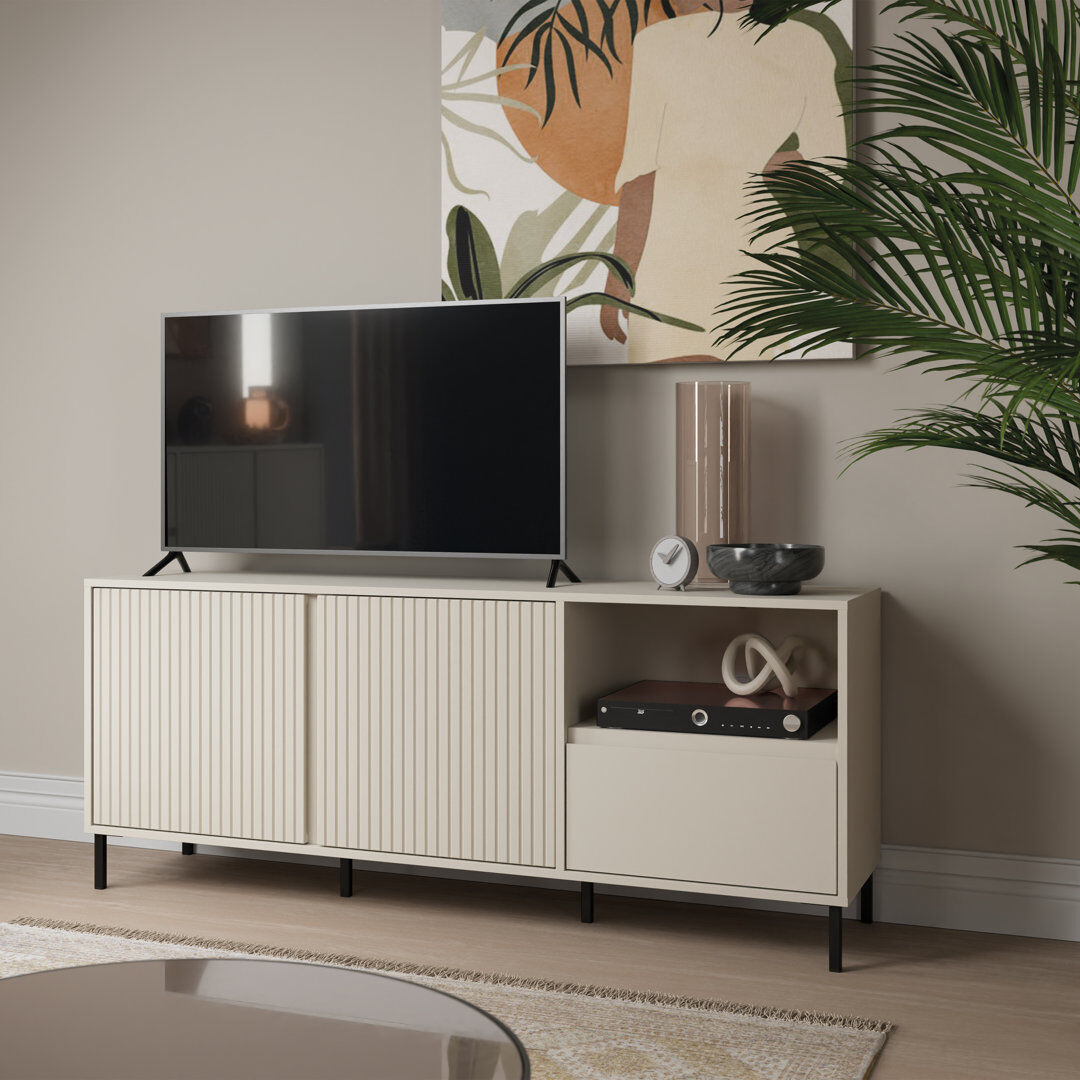
Mikado Living TV Stand Cashmere 65.4cm H x 157.8cm L x 40cm WBring home the Lusaka TV cabinet and complete the aesthetic of your living room with ease. Designed by Scandinavian experts, this TV cabinet effortlessly complements a wide range of interiors and décor themes. The cabinet comes with 2 doors, each concealing 2 shelves underneath, perfect for storing a sizeable amount of your DVD collection, novels, accessories, gaming equipment, or more in each compartment. Mikado Living Size: 65.4cm H x 157.8cm L x 40cm W, Colour: Cashmere313,99 £*Shipping: 0,00 £Secure redirect to the provider
-
Mikado Living TV Stand Anthracite 64.5cm H x 207.8cm L x 40cm WBring home the Lusaka TV cabinet and complete the aesthetic of your living room with ease. Designed by Scandinavian experts, this TV cabinet effortlessly complements a wide range of interiors and décor themes. The cabinet comes with 2 doors, each concealing 2 shelves underneath, perfect for storing a sizeable amount of your DVD collection, novels, accessories, gaming equipment, or more in each compartment. Mikado Living Size: 64.5cm H x 207.8cm L x 40cm W, Colour: Anthracite449,99 £*Shipping: 14,99 £Secure redirect to the provider
-
Mikado Living Storage Bed White 85cm H X 164.5cm W X 194.5cm LThis multifunctional sofa bed combines seating, lounging, and sleeping in one smart design. Sized as a 4ft6 double bed (135 × 190 cm), it provides comfortable sleeping space for adults while also functioning as a cozy daybed for daily use. The bed features multiple built-in storage spaces, including drawers, open shelves, and storage cabinets, perfect for organizing bedding, books, decor, and everyday essentials. Crafted in a clean white finish, it blends beautifully with modern, Scandinavian, and minimal interior styles. Mattress not included. Mikado Living279,99 £*Shipping: 0,00 £Secure redirect to the provider


-
Why do Roma hate Roma?
There is no single answer to why some Roma may harbor negative feelings towards other Roma. However, some possible reasons could include internalized stereotypes and discrimination, competition for limited resources and opportunities, historical divisions within the community, and the impact of systemic oppression and poverty. It is important to recognize that these feelings are not universal among all Roma individuals and communities, and efforts to address these issues should focus on promoting unity, understanding, and solidarity within the Roma community. **
-
Are Poles Roma or Sinti?
Poles are neither Roma nor Sinti. The Roma and Sinti are distinct ethnic groups within the larger Romani people, with their own unique cultures, languages, and histories. Poles, on the other hand, are an ethnic group native to Poland, with their own language, traditions, and history. **
-
What are Sinti and Roma?
Sinti and Roma are two distinct ethnic groups with a shared history of persecution and discrimination. They are often collectively referred to as the Roma people or Romani people. Sinti are traditionally from Central Europe, particularly Germany and Italy, while Roma have a broader presence across Europe and beyond. Both groups have faced marginalization, stereotypes, and human rights violations throughout history. Today, they continue to strive for recognition, equality, and respect for their cultural heritage. **
-
What are Roma and Sinti?
Roma and Sinti are two distinct ethnic groups with a shared history of persecution and discrimination. The Roma are a traditionally nomadic group with origins in South Asia, while the Sinti are a subgroup of the Roma who historically resided in Central Europe. Both groups have faced marginalization, prejudice, and human rights violations throughout history, including during the Holocaust. Today, they continue to advocate for recognition, equality, and respect for their cultural identities. **

Can Gypsies (Sinti/Roma) curse?
The belief in Gypsies being able to curse or cast spells is a stereotype and myth that has been perpetuated over time. There is no evidence to support the idea that Gypsies, also known as Sinti/Roma, have the ability to curse or cast spells. It is important to recognize that these beliefs are based on prejudice and discrimination rather than reality. It is essential to challenge and debunk these harmful stereotypes in order to promote understanding and respect for all cultures and communities. **
Are Romanians Sinti and Roma?
No, Romanians are not Sinti and Roma. Sinti and Roma are ethnic groups with origins in different parts of Europe, primarily in Central and Eastern Europe. Romanians, on the other hand, are an ethnic group native to Romania, a country in Southeastern Europe. While there may be some overlap or interaction between these groups in certain regions, they are distinct ethnic identities with their own unique histories and cultures. **
Top-Angebote
Products related to Mikado-Living-Roma-L:
-
Mikado Living Roma L Corner Rope Sofa Seating Groups SetIntroducing the Roma 5 Seater Corner Lounge Set, a stunning blend of comfort and sustainability. Crafted from beautifully sustainably sourced Acacia hardwood, this practical and durable set features a protective PU coating to ensure long-lasting quality.The set includes a left-hand and right-hand sofa, a stylish coffee table, and a corner seat, all elegantly wrapped in high-quality synthetic rope to enhance the contemporary design. Each seat is accompanied by luxurious seat and back cushions, providing exceptional comfort for relaxation and conversation.Showcasing the natural beauty of Acacia hardwood, this lounge set highlights rich tones and exquisite craftsmanship, making it the perfect choice for high-quality outdoor or indoor furniture. Elevate your living space and enjoy cozy gatherings with friends and family with the Roma Corner Lounge Set, designed to bring style and sophistication to any setting. Mikado Living1399,99 £*Shipping: 19,99 £Secure redirect to the provider
-
Mikado Living TV Stand Cashmere 64.5cm H x 207.8cm L x 40cm WBring home the Lusaka TV cabinet and complete the aesthetic of your living room with ease. Designed by Scandinavian experts, this TV cabinet effortlessly complements a wide range of interiors and décor themes. The cabinet comes with 2 doors, each concealing 2 shelves underneath, perfect for storing a sizeable amount of your DVD collection, novels, accessories, gaming equipment, or more in each compartment. Mikado Living Size: 64.5cm H x 207.8cm L x 40cm W, Colour: Cashmere429,99 £*Shipping: 14,99 £Secure redirect to the provider
-
Mikado Living TV Stand Anthracite 65.4cm H x 157.8cm L x 40cm WBring home the Lusaka TV cabinet and complete the aesthetic of your living room with ease. Designed by Scandinavian experts, this TV cabinet effortlessly complements a wide range of interiors and décor themes. The cabinet comes with 2 doors, each concealing 2 shelves underneath, perfect for storing a sizeable amount of your DVD collection, novels, accessories, gaming equipment, or more in each compartment. Mikado Living Colour: Anthracite, Size: 65.4cm H x 157.8cm L x 40cm W319,99 £*Shipping: 0,00 £Secure redirect to the provider
-
Mikado Living TV Stand Cashmere 65.4cm H x 157.8cm L x 40cm WBring home the Lusaka TV cabinet and complete the aesthetic of your living room with ease. Designed by Scandinavian experts, this TV cabinet effortlessly complements a wide range of interiors and décor themes. The cabinet comes with 2 doors, each concealing 2 shelves underneath, perfect for storing a sizeable amount of your DVD collection, novels, accessories, gaming equipment, or more in each compartment. Mikado Living Size: 65.4cm H x 157.8cm L x 40cm W, Colour: Cashmere313,99 £*Shipping: 0,00 £Secure redirect to the provider
-
Are Mikado sticks actually Japanese?
Mikado sticks, also known as pick-up sticks or spillikins, are not actually Japanese in origin. They were first played in Europe in the 18th century and were later introduced to Japan where they became popular. The name "Mikado" is a reference to the Emperor of Japan, but the game itself did not originate in Japan. **
-
Are Mikado sticks even Japanese?
Mikado sticks, also known as pick-up sticks or chopsticks, are not originally Japanese. They are believed to have originated in China and were later introduced to Japan. However, they have become a popular utensil in Japanese culture and are commonly used in Japanese cuisine. So while Mikado sticks may not be inherently Japanese in origin, they have become closely associated with Japanese dining and traditions. **
-
Why do Roma hate Roma?
There is no single answer to why some Roma may harbor negative feelings towards other Roma. However, some possible reasons could include internalized stereotypes and discrimination, competition for limited resources and opportunities, historical divisions within the community, and the impact of systemic oppression and poverty. It is important to recognize that these feelings are not universal among all Roma individuals and communities, and efforts to address these issues should focus on promoting unity, understanding, and solidarity within the Roma community. **
-
Are Poles Roma or Sinti?
Poles are neither Roma nor Sinti. The Roma and Sinti are distinct ethnic groups within the larger Romani people, with their own unique cultures, languages, and histories. Poles, on the other hand, are an ethnic group native to Poland, with their own language, traditions, and history. **
Similar search terms for Mikado-Living-Roma-L
-
Mikado Living TV Stand Anthracite 64.5cm H x 207.8cm L x 40cm WBring home the Lusaka TV cabinet and complete the aesthetic of your living room with ease. Designed by Scandinavian experts, this TV cabinet effortlessly complements a wide range of interiors and décor themes. The cabinet comes with 2 doors, each concealing 2 shelves underneath, perfect for storing a sizeable amount of your DVD collection, novels, accessories, gaming equipment, or more in each compartment. Mikado Living Size: 64.5cm H x 207.8cm L x 40cm W, Colour: Anthracite449,99 £*Shipping: 14,99 £Secure redirect to the provider
-
Mikado Living Storage Bed White 85cm H X 164.5cm W X 194.5cm LThis multifunctional sofa bed combines seating, lounging, and sleeping in one smart design. Sized as a 4ft6 double bed (135 × 190 cm), it provides comfortable sleeping space for adults while also functioning as a cozy daybed for daily use. The bed features multiple built-in storage spaces, including drawers, open shelves, and storage cabinets, perfect for organizing bedding, books, decor, and everyday essentials. Crafted in a clean white finish, it blends beautifully with modern, Scandinavian, and minimal interior styles. Mattress not included. Mikado Living279,99 £*Shipping: 0,00 £Secure redirect to the provider
-
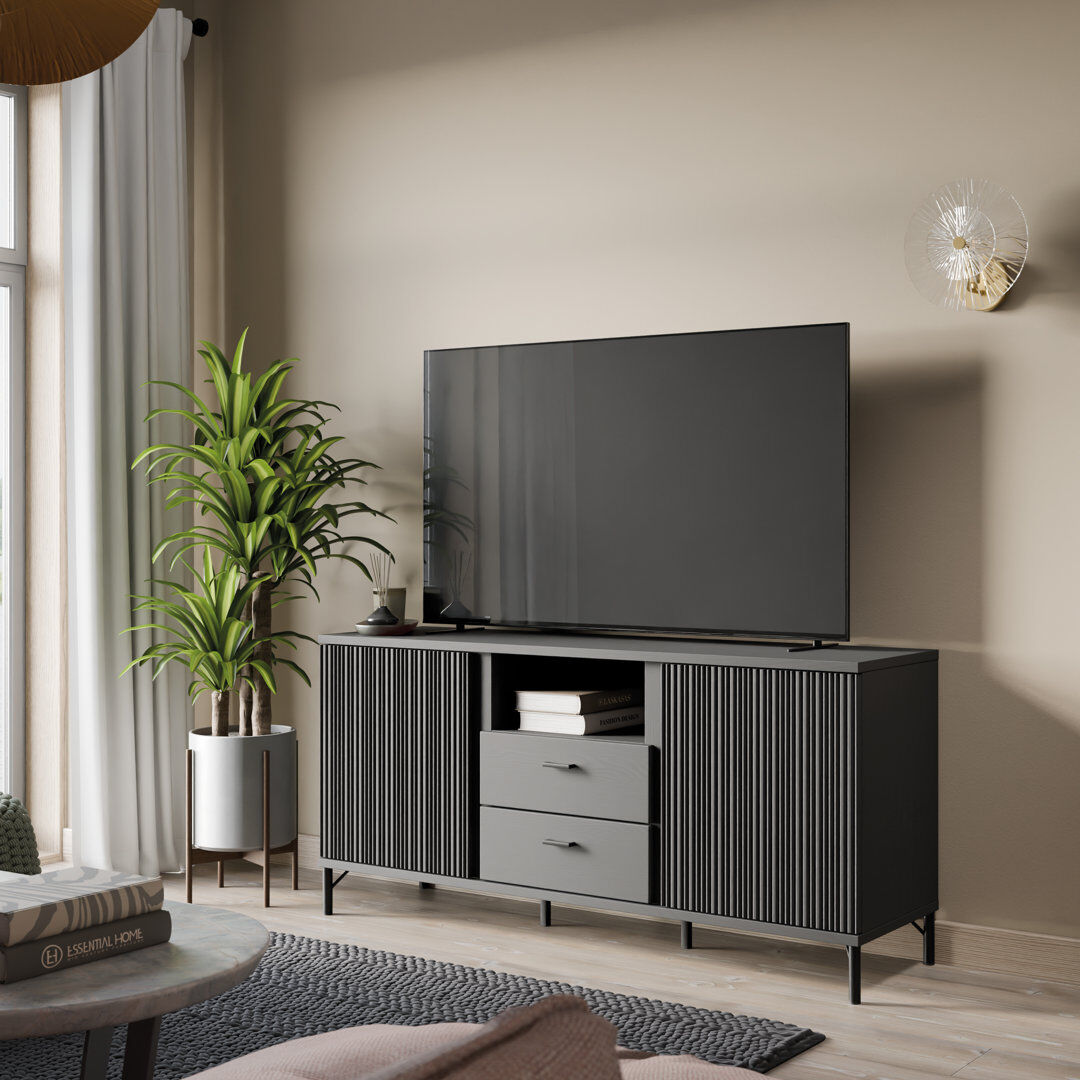
Mikado Living TV Stand Black Graphite 70cm H x 200cm L x 40cm WBring home the Lusaka TV cabinet and complete the aesthetic of your living room with ease. Designed by Scandinavian experts, this TV cabinet effortlessly complements a wide range of interiors and décor themes. The cabinet comes with 2 doors, each concealing 2 shelves underneath, perfect for storing a sizeable amount of your DVD collection, novels, accessories, gaming equipment, or more in each compartment. Mikado Living Colour: Black Graphite, Size: 70cm H x 200cm L x 40cm W559,99 £*Shipping: 14,99 £Secure redirect to the provider
-
Mikado Living TV Stand Black Graphite 70cm H x 150cm L x 40cm WBring home the Lusaka TV cabinet and complete the aesthetic of your living room with ease. Designed by Scandinavian experts, this TV cabinet effortlessly complements a wide range of interiors and décor themes. The cabinet comes with 2 doors, each concealing 2 shelves underneath, perfect for storing a sizeable amount of your DVD collection, novels, accessories, gaming equipment, or more in each compartment. Mikado Living Colour: Black Graphite, Size: 70cm H x 150cm L x 40cm W374,99 £*Shipping: 0,00 £Secure redirect to the provider
-
What are Sinti and Roma?
Sinti and Roma are two distinct ethnic groups with a shared history of persecution and discrimination. They are often collectively referred to as the Roma people or Romani people. Sinti are traditionally from Central Europe, particularly Germany and Italy, while Roma have a broader presence across Europe and beyond. Both groups have faced marginalization, stereotypes, and human rights violations throughout history. Today, they continue to strive for recognition, equality, and respect for their cultural heritage. **
-
What are Roma and Sinti?
Roma and Sinti are two distinct ethnic groups with a shared history of persecution and discrimination. The Roma are a traditionally nomadic group with origins in South Asia, while the Sinti are a subgroup of the Roma who historically resided in Central Europe. Both groups have faced marginalization, prejudice, and human rights violations throughout history, including during the Holocaust. Today, they continue to advocate for recognition, equality, and respect for their cultural identities. **
-
Can Gypsies (Sinti/Roma) curse?
The belief in Gypsies being able to curse or cast spells is a stereotype and myth that has been perpetuated over time. There is no evidence to support the idea that Gypsies, also known as Sinti/Roma, have the ability to curse or cast spells. It is important to recognize that these beliefs are based on prejudice and discrimination rather than reality. It is essential to challenge and debunk these harmful stereotypes in order to promote understanding and respect for all cultures and communities. **
-
Are Romanians Sinti and Roma?
No, Romanians are not Sinti and Roma. Sinti and Roma are ethnic groups with origins in different parts of Europe, primarily in Central and Eastern Europe. Romanians, on the other hand, are an ethnic group native to Romania, a country in Southeastern Europe. While there may be some overlap or interaction between these groups in certain regions, they are distinct ethnic identities with their own unique histories and cultures. **
* All prices are inclusive of VAT and, if applicable, plus shipping costs. The offer information is based on the details provided by the respective shop and is updated through automated processes. Real-time updates do not occur, so deviations can occur in individual cases. ** Note: Parts of this content were created by AI.