Buy 3dlab.eu ?
We are moving the project
3dlab.eu .
Are you interested in purchasing the domain
3dlab.eu ?
domain@kv-gmbh.de · 0541-91531010
Buy 3dlab.eu ?
How is the partitive formed?
The partitive is formed in French by using the preposition "de" followed by the definite article "le," "la," or "les." This combination contracts to form "du," "de la," or "des" before a singular or plural noun, respectively. For example, "some bread" is "du pain" and "some apples" is "des pommes." The partitive is used to indicate an unspecified quantity or portion of a mass noun. **
What is the French partitive article?
The French partitive article is used to indicate an unspecified quantity of a noun that cannot be counted. It is formed by combining the preposition "de" with the definite article corresponding to the noun's gender and number. For example, "du" is used with masculine singular nouns, "de la" with feminine singular nouns, and "des" with plural nouns. The partitive article is used in French to express concepts like some, any, or a part of something. **


Similar search terms for Partitive
Top-Angebote
Products related to Partitive:
-
Lola Cosmetics Plot Twist Guava Modeling Hair Cream 480gA hair-care product. Intensifies and defines natural curl patterns. Long-lasting hold with high shine. Detangles without weighing down. Fights frizz and enhances hydration retention. Ideal for low porosity hair and all curl types. Guava Oil: Rich in antioxidants and vitamins A and C, it nourishes and boosts shine.11,65 £*Shipping: 10,02 £Secure redirect to the provider
-
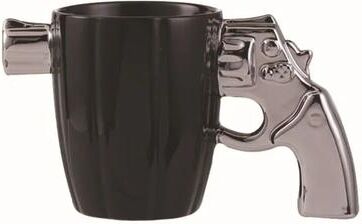
Uplift Essentials Creative 3D Revolver Modeling Ceramic Coffee Mug silverAdd a bold, playful edge to your morning routine with this 3D revolver gun ceramic mug. Designed with a creative and humorous touch, this mug features a unique handle modeled after a classic revolver, making it a standout piece for your kitchen or...92,97 $*Shipping: 0,00 $Secure redirect to the provider
-
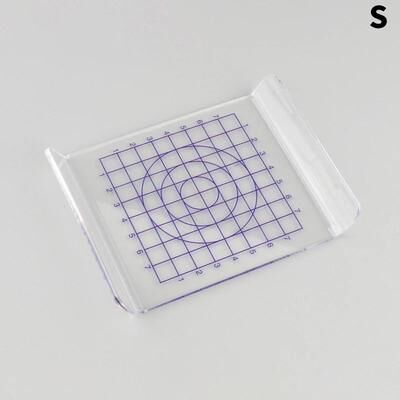
Uplifted Goods Clay Modeling Press Stick Tool For Crafting And Creative Play smallEncourage creativity and handson fun with this clay modeling press stick tool designed for shaping and texturing clay materials. Perfect for paper clay, polymer clay, soft plasticine, slime, and other modeling compounds, this tool helps create...34,97 $*Shipping: 0,00 $Secure redirect to the provider
-
Inspire Picks 9 Piece Professional Modeling Tool Kit Hobby Building DIY Construction Set 3 SetBuild with precision and confidence using this versatile modeling tool kit designed for hobbyists, beginners, and experienced builders alike. Whether youre assembling car models, construction kits, or DIY toys, this compact set includes the...85,48 $*Shipping: 0,00 $Secure redirect to the provider


-
What are partitive articles in the French language?
Partitive articles in French are used to indicate an unspecified quantity of a noun. They are used when referring to a portion or some of a mass noun, such as food or liquid. The partitive articles in French are "du" (for masculine nouns), "de la" (for feminine nouns), and "de l'" (for nouns starting with a vowel or silent "h"). These articles are essential for expressing the concept of some or any in French. **
-
What is the rule for the partitive article?
The rule for the partitive article in French is to use "de" followed by the definite article (le, la, les) to indicate an unspecified quantity or some of a mass noun. For example, "du" is used for masculine singular nouns, "de la" for feminine singular nouns, and "des" for plural nouns. The partitive article is used when referring to an unknown or unspecified quantity of something. **
-
How do you form the genitive partitive in Latin?
In Latin, the genitive partitive is formed by using the genitive case of the noun followed by the word "partis" or "partis" (depending on the gender of the noun) to indicate a part of the whole. For example, if the noun is "puella" (girl), the genitive partitive would be "puellae partis" to indicate "part of the girl." This construction is used to express the idea of "some of" or "a part of" something. **
-
What are partitive articles and quantity increases in French?
Partitive articles in French are used to indicate an unspecified quantity of a noun. They are used with uncountable nouns or when referring to a portion of something. Quantity increases in French involve using words like "plus de" (more), "beaucoup de" (a lot of), or "trop de" (too much) to indicate an increase in the quantity of something. These expressions are used to specify a larger amount of a noun compared to using just the partitive article. **
When do you use the partitive article in French?
The partitive article in French is used to indicate an unspecified quantity of a mass noun. It is used when referring to a part of a whole, or an unspecified amount of something. For example, "du" is used for masculine nouns, "de la" for feminine nouns, and "de l'" for nouns starting with a vowel or silent "h". It is important to use the partitive article when talking about food, drinks, or other uncountable nouns in French. **
Can you please help me with the partitive article?
The partitive article is used in French to indicate an unspecified quantity of something. It is often used with uncountable nouns to express "some" or "any" in English. The partitive article changes depending on the gender and number of the noun it precedes. For example, "du" is used before masculine singular nouns, "de la" before feminine singular nouns, and "des" before plural nouns. It is important to use the correct partitive article to indicate the appropriate quantity in French. **
Top-Angebote
Products related to Partitive:
-
René Furterer Style Modeling Paste 75mLA hair-care product. Excellent to give movement to short and medium cuts. Anatide maintains hair natural moisture and preserves its structure while kaolin is responsible for paste moldable texture. Work a small amount of product on hand and create and draw the desired movement.9,97 £*Shipping: 5,34 £Secure redirect to the provider
-
Bperfect Indestructi'Brow Brow Hold Wax - Modeling Wax 34gA skin-care product. Indestructi'Brow Brow Hold Wax – your solution to taming, sculpting, and setting your brows in a single effortless glide. This extraordinary hold wax ensures your brows remain impeccable throughout the day. For an unrivaled combination of hold and impact, embrace this clear brow wax that requires no activation.8,81 £*Shipping: 4,22 £Secure redirect to the provider
-
Lola Cosmetics Plot Twist Guava Modeling Hair Cream 480gA hair-care product. Intensifies and defines natural curl patterns. Long-lasting hold with high shine. Detangles without weighing down. Fights frizz and enhances hydration retention. Ideal for low porosity hair and all curl types. Guava Oil: Rich in antioxidants and vitamins A and C, it nourishes and boosts shine.11,65 £*Shipping: 10,02 £Secure redirect to the provider
-
Uplift Essentials Creative 3D Revolver Modeling Ceramic Coffee Mug silverAdd a bold, playful edge to your morning routine with this 3D revolver gun ceramic mug. Designed with a creative and humorous touch, this mug features a unique handle modeled after a classic revolver, making it a standout piece for your kitchen or...92,97 $*Shipping: 0,00 $Secure redirect to the provider
-
How is the partitive formed?
The partitive is formed in French by using the preposition "de" followed by the definite article "le," "la," or "les." This combination contracts to form "du," "de la," or "des" before a singular or plural noun, respectively. For example, "some bread" is "du pain" and "some apples" is "des pommes." The partitive is used to indicate an unspecified quantity or portion of a mass noun. **
-
What is the French partitive article?
The French partitive article is used to indicate an unspecified quantity of a noun that cannot be counted. It is formed by combining the preposition "de" with the definite article corresponding to the noun's gender and number. For example, "du" is used with masculine singular nouns, "de la" with feminine singular nouns, and "des" with plural nouns. The partitive article is used in French to express concepts like some, any, or a part of something. **
-
What are partitive articles in the French language?
Partitive articles in French are used to indicate an unspecified quantity of a noun. They are used when referring to a portion or some of a mass noun, such as food or liquid. The partitive articles in French are "du" (for masculine nouns), "de la" (for feminine nouns), and "de l'" (for nouns starting with a vowel or silent "h"). These articles are essential for expressing the concept of some or any in French. **
-
What is the rule for the partitive article?
The rule for the partitive article in French is to use "de" followed by the definite article (le, la, les) to indicate an unspecified quantity or some of a mass noun. For example, "du" is used for masculine singular nouns, "de la" for feminine singular nouns, and "des" for plural nouns. The partitive article is used when referring to an unknown or unspecified quantity of something. **
Similar search terms for Partitive
-
Uplifted Goods Clay Modeling Press Stick Tool For Crafting And Creative Play smallEncourage creativity and handson fun with this clay modeling press stick tool designed for shaping and texturing clay materials. Perfect for paper clay, polymer clay, soft plasticine, slime, and other modeling compounds, this tool helps create...34,97 $*Shipping: 0,00 $Secure redirect to the provider
-
Inspire Picks 9 Piece Professional Modeling Tool Kit Hobby Building DIY Construction Set 3 SetBuild with precision and confidence using this versatile modeling tool kit designed for hobbyists, beginners, and experienced builders alike. Whether youre assembling car models, construction kits, or DIY toys, this compact set includes the...85,48 $*Shipping: 0,00 $Secure redirect to the provider
-
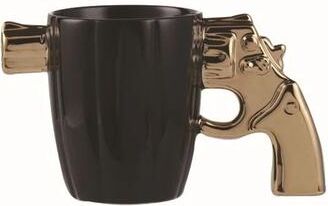
Uplift Essentials Creative 3D Revolver Modeling Ceramic Coffee Mug goldAdd a bold, playful edge to your morning routine with this 3D revolver gun ceramic mug. Designed with a creative and humorous touch, this mug features a unique handle modeled after a classic revolver, making it a standout piece for your kitchen or...92,97 $*Shipping: 0,00 $Secure redirect to the provider
-
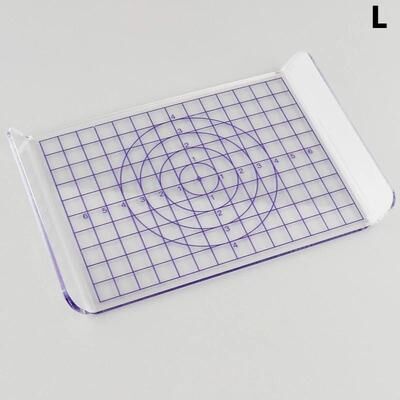
Uplifted Goods Clay Modeling Press Stick Tool For Crafting And Creative Play largeEncourage creativity and handson fun with this clay modeling press stick tool designed for shaping and texturing clay materials. Perfect for paper clay, polymer clay, soft plasticine, slime, and other modeling compounds, this tool helps create...39,97 $*Shipping: 0,00 $Secure redirect to the provider
-
How do you form the genitive partitive in Latin?
In Latin, the genitive partitive is formed by using the genitive case of the noun followed by the word "partis" or "partis" (depending on the gender of the noun) to indicate a part of the whole. For example, if the noun is "puella" (girl), the genitive partitive would be "puellae partis" to indicate "part of the girl." This construction is used to express the idea of "some of" or "a part of" something. **
-
What are partitive articles and quantity increases in French?
Partitive articles in French are used to indicate an unspecified quantity of a noun. They are used with uncountable nouns or when referring to a portion of something. Quantity increases in French involve using words like "plus de" (more), "beaucoup de" (a lot of), or "trop de" (too much) to indicate an increase in the quantity of something. These expressions are used to specify a larger amount of a noun compared to using just the partitive article. **
-
When do you use the partitive article in French?
The partitive article in French is used to indicate an unspecified quantity of a mass noun. It is used when referring to a part of a whole, or an unspecified amount of something. For example, "du" is used for masculine nouns, "de la" for feminine nouns, and "de l'" for nouns starting with a vowel or silent "h". It is important to use the partitive article when talking about food, drinks, or other uncountable nouns in French. **
-
Can you please help me with the partitive article?
The partitive article is used in French to indicate an unspecified quantity of something. It is often used with uncountable nouns to express "some" or "any" in English. The partitive article changes depending on the gender and number of the noun it precedes. For example, "du" is used before masculine singular nouns, "de la" before feminine singular nouns, and "des" before plural nouns. It is important to use the correct partitive article to indicate the appropriate quantity in French. **
* All prices are inclusive of VAT and, if applicable, plus shipping costs. The offer information is based on the details provided by the respective shop and is updated through automated processes. Real-time updates do not occur, so deviations can occur in individual cases. ** Note: Parts of this content were created by AI.