Buy 3dlab.eu ?
We are moving the project
3dlab.eu .
Are you interested in purchasing the domain
3dlab.eu ?
domain@kv-gmbh.de · 0541-91531010
Buy 3dlab.eu ?
What is special about Taq polymerase?
Taq polymerase is special because it is derived from the thermophilic bacterium Thermus aquaticus, which thrives in high-temperature environments. This makes Taq polymerase highly heat-stable, allowing it to withstand the high temperatures used in the polymerase chain reaction (PCR) process. Additionally, Taq polymerase has a unique ability to add nucleotides to DNA strands at high temperatures, making it an essential enzyme for amplifying DNA in PCR. Its heat stability and unique enzymatic properties have made Taq polymerase a crucial tool in molecular biology and genetic research. **
When does the polymerase stop during PCR?
The polymerase stops during PCR at the end of each cycle when the temperature is lowered for the annealing step. This allows the primers to bind to the template DNA and the polymerase to begin synthesizing new DNA strands. After the annealing step, the polymerase resumes its activity during the extension step, where it adds nucleotides to the growing DNA strands. This cycle of denaturation, annealing, and extension is repeated multiple times to amplify the target DNA sequence. **


Similar search terms for Polymerase
Top-Angebote
Products related to Polymerase:
-
Lola Cosmetics Plot Twist Guava Modeling Hair Cream 480gA hair-care product. Intensifies and defines natural curl patterns. Long-lasting hold with high shine. Detangles without weighing down. Fights frizz and enhances hydration retention. Ideal for low porosity hair and all curl types. Guava Oil: Rich in antioxidants and vitamins A and C, it nourishes and boosts shine.11,65 £*Shipping: 10,02 £Secure redirect to the provider
-
Uplift Essentials Creative 3D Revolver Modeling Ceramic Coffee Mug silverAdd a bold, playful edge to your morning routine with this 3D revolver gun ceramic mug. Designed with a creative and humorous touch, this mug features a unique handle modeled after a classic revolver, making it a standout piece for your kitchen or...92,97 $*Shipping: 0,00 $Secure redirect to the provider
-
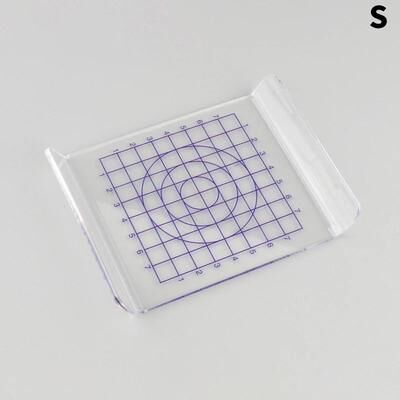
Uplifted Goods Clay Modeling Press Stick Tool For Crafting And Creative Play smallEncourage creativity and handson fun with this clay modeling press stick tool designed for shaping and texturing clay materials. Perfect for paper clay, polymer clay, soft plasticine, slime, and other modeling compounds, this tool helps create...34,97 $*Shipping: 0,00 $Secure redirect to the provider
-
Inspire Picks 9 Piece Professional Modeling Tool Kit Hobby Building DIY Construction Set 3 SetBuild with precision and confidence using this versatile modeling tool kit designed for hobbyists, beginners, and experienced builders alike. Whether youre assembling car models, construction kits, or DIY toys, this compact set includes the...85,48 $*Shipping: 0,00 $Secure redirect to the provider



-
What is the function of polymerase in biology?
Polymerase is an enzyme that plays a crucial role in DNA replication and transcription. It is responsible for catalyzing the formation of new DNA strands by adding complementary nucleotides to a template DNA strand during replication. In transcription, polymerase helps in the synthesis of RNA molecules by transcribing the genetic information from DNA. Overall, polymerase is essential for the accurate and efficient copying of genetic information in cells. **
-
What is the difference between ligase and polymerase?
Ligase and polymerase are both enzymes involved in DNA replication and repair, but they have different functions. Polymerase is responsible for adding new nucleotides to the growing DNA strand during replication, while ligase is responsible for joining together the Okazaki fragments on the lagging strand of DNA. In other words, polymerase synthesizes new DNA strands, while ligase seals the nicks and gaps in the DNA backbone. Additionally, polymerase requires a primer to start DNA synthesis, while ligase does not. **
-
What is the difference between helicase and RNA polymerase?
Helicase is an enzyme that unwinds the double-stranded DNA helix during DNA replication, while RNA polymerase is an enzyme that synthesizes RNA from a DNA template during transcription. Helicase functions to separate the two DNA strands, allowing other enzymes like DNA polymerase to access the DNA for replication. On the other hand, RNA polymerase reads the DNA template and synthesizes a complementary RNA strand. Overall, helicase is involved in DNA replication, while RNA polymerase is involved in transcription. **
-
What is the Polymerase Chain Reaction (PCR) in brief?
The Polymerase Chain Reaction (PCR) is a laboratory technique used to amplify a specific segment of DNA. It involves a series of temperature-controlled cycles that cause the DNA to be repeatedly copied, resulting in a significant increase in the amount of DNA available for analysis. PCR is widely used in various fields such as genetics, forensics, and medical diagnostics, as it allows for the rapid and efficient replication of DNA sequences. This technique has revolutionized the study and application of DNA, enabling researchers to analyze and manipulate genetic material with high precision and speed. **

Why can't the polymerase chain reaction be used to replicate dinosaur DNA?
The polymerase chain reaction (PCR) cannot be used to replicate dinosaur DNA because the DNA from dinosaurs is too old and degraded. Over millions of years, the DNA breaks down and becomes fragmented, making it impossible to accurately replicate using PCR. Additionally, the PCR process requires specific sequences of DNA to work effectively, and the degraded nature of dinosaur DNA makes it difficult to find intact sequences to amplify. Therefore, other methods, such as paleogenomics, are being explored to study and potentially replicate dinosaur DNA. **
Why does the polymerase work in the 3'-5' direction and the 5'-3' direction?
The polymerase works in the 3'-5' direction during proofreading because it is able to detect and remove any incorrectly incorporated nucleotides. This direction allows the polymerase to recognize and excise the incorrect nucleotide from the 3' end of the growing DNA strand. On the other hand, the polymerase works in the 5'-3' direction during DNA synthesis because it adds new nucleotides to the 3' end of the growing DNA strand. This directionality is essential for the accurate and efficient replication of the DNA molecule. **
Top-Angebote
Products related to Polymerase:
-
René Furterer Style Modeling Paste 75mLA hair-care product. Excellent to give movement to short and medium cuts. Anatide maintains hair natural moisture and preserves its structure while kaolin is responsible for paste moldable texture. Work a small amount of product on hand and create and draw the desired movement.9,97 £*Shipping: 5,34 £Secure redirect to the provider
-
Bperfect Indestructi'Brow Brow Hold Wax - Modeling Wax 34gA skin-care product. Indestructi'Brow Brow Hold Wax – your solution to taming, sculpting, and setting your brows in a single effortless glide. This extraordinary hold wax ensures your brows remain impeccable throughout the day. For an unrivaled combination of hold and impact, embrace this clear brow wax that requires no activation.8,81 £*Shipping: 4,22 £Secure redirect to the provider
-
Lola Cosmetics Plot Twist Guava Modeling Hair Cream 480gA hair-care product. Intensifies and defines natural curl patterns. Long-lasting hold with high shine. Detangles without weighing down. Fights frizz and enhances hydration retention. Ideal for low porosity hair and all curl types. Guava Oil: Rich in antioxidants and vitamins A and C, it nourishes and boosts shine.11,65 £*Shipping: 10,02 £Secure redirect to the provider
-
Uplift Essentials Creative 3D Revolver Modeling Ceramic Coffee Mug silverAdd a bold, playful edge to your morning routine with this 3D revolver gun ceramic mug. Designed with a creative and humorous touch, this mug features a unique handle modeled after a classic revolver, making it a standout piece for your kitchen or...92,97 $*Shipping: 0,00 $Secure redirect to the provider
-
What is special about Taq polymerase?
Taq polymerase is special because it is derived from the thermophilic bacterium Thermus aquaticus, which thrives in high-temperature environments. This makes Taq polymerase highly heat-stable, allowing it to withstand the high temperatures used in the polymerase chain reaction (PCR) process. Additionally, Taq polymerase has a unique ability to add nucleotides to DNA strands at high temperatures, making it an essential enzyme for amplifying DNA in PCR. Its heat stability and unique enzymatic properties have made Taq polymerase a crucial tool in molecular biology and genetic research. **
-
When does the polymerase stop during PCR?
The polymerase stops during PCR at the end of each cycle when the temperature is lowered for the annealing step. This allows the primers to bind to the template DNA and the polymerase to begin synthesizing new DNA strands. After the annealing step, the polymerase resumes its activity during the extension step, where it adds nucleotides to the growing DNA strands. This cycle of denaturation, annealing, and extension is repeated multiple times to amplify the target DNA sequence. **
-
What is the function of polymerase in biology?
Polymerase is an enzyme that plays a crucial role in DNA replication and transcription. It is responsible for catalyzing the formation of new DNA strands by adding complementary nucleotides to a template DNA strand during replication. In transcription, polymerase helps in the synthesis of RNA molecules by transcribing the genetic information from DNA. Overall, polymerase is essential for the accurate and efficient copying of genetic information in cells. **
-
What is the difference between ligase and polymerase?
Ligase and polymerase are both enzymes involved in DNA replication and repair, but they have different functions. Polymerase is responsible for adding new nucleotides to the growing DNA strand during replication, while ligase is responsible for joining together the Okazaki fragments on the lagging strand of DNA. In other words, polymerase synthesizes new DNA strands, while ligase seals the nicks and gaps in the DNA backbone. Additionally, polymerase requires a primer to start DNA synthesis, while ligase does not. **
Similar search terms for Polymerase
-
Uplifted Goods Clay Modeling Press Stick Tool For Crafting And Creative Play smallEncourage creativity and handson fun with this clay modeling press stick tool designed for shaping and texturing clay materials. Perfect for paper clay, polymer clay, soft plasticine, slime, and other modeling compounds, this tool helps create...34,97 $*Shipping: 0,00 $Secure redirect to the provider
-
Inspire Picks 9 Piece Professional Modeling Tool Kit Hobby Building DIY Construction Set 3 SetBuild with precision and confidence using this versatile modeling tool kit designed for hobbyists, beginners, and experienced builders alike. Whether youre assembling car models, construction kits, or DIY toys, this compact set includes the...85,48 $*Shipping: 0,00 $Secure redirect to the provider
-
Uplift Essentials Creative 3D Revolver Modeling Ceramic Coffee Mug goldAdd a bold, playful edge to your morning routine with this 3D revolver gun ceramic mug. Designed with a creative and humorous touch, this mug features a unique handle modeled after a classic revolver, making it a standout piece for your kitchen or...92,97 $*Shipping: 0,00 $Secure redirect to the provider
-
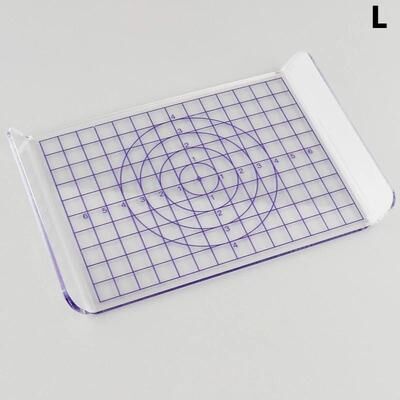
Uplifted Goods Clay Modeling Press Stick Tool For Crafting And Creative Play largeEncourage creativity and handson fun with this clay modeling press stick tool designed for shaping and texturing clay materials. Perfect for paper clay, polymer clay, soft plasticine, slime, and other modeling compounds, this tool helps create...39,97 $*Shipping: 0,00 $Secure redirect to the provider
-
What is the difference between helicase and RNA polymerase?
Helicase is an enzyme that unwinds the double-stranded DNA helix during DNA replication, while RNA polymerase is an enzyme that synthesizes RNA from a DNA template during transcription. Helicase functions to separate the two DNA strands, allowing other enzymes like DNA polymerase to access the DNA for replication. On the other hand, RNA polymerase reads the DNA template and synthesizes a complementary RNA strand. Overall, helicase is involved in DNA replication, while RNA polymerase is involved in transcription. **
-
What is the Polymerase Chain Reaction (PCR) in brief?
The Polymerase Chain Reaction (PCR) is a laboratory technique used to amplify a specific segment of DNA. It involves a series of temperature-controlled cycles that cause the DNA to be repeatedly copied, resulting in a significant increase in the amount of DNA available for analysis. PCR is widely used in various fields such as genetics, forensics, and medical diagnostics, as it allows for the rapid and efficient replication of DNA sequences. This technique has revolutionized the study and application of DNA, enabling researchers to analyze and manipulate genetic material with high precision and speed. **
-
Why can't the polymerase chain reaction be used to replicate dinosaur DNA?
The polymerase chain reaction (PCR) cannot be used to replicate dinosaur DNA because the DNA from dinosaurs is too old and degraded. Over millions of years, the DNA breaks down and becomes fragmented, making it impossible to accurately replicate using PCR. Additionally, the PCR process requires specific sequences of DNA to work effectively, and the degraded nature of dinosaur DNA makes it difficult to find intact sequences to amplify. Therefore, other methods, such as paleogenomics, are being explored to study and potentially replicate dinosaur DNA. **
-
Why does the polymerase work in the 3'-5' direction and the 5'-3' direction?
The polymerase works in the 3'-5' direction during proofreading because it is able to detect and remove any incorrectly incorporated nucleotides. This direction allows the polymerase to recognize and excise the incorrect nucleotide from the 3' end of the growing DNA strand. On the other hand, the polymerase works in the 5'-3' direction during DNA synthesis because it adds new nucleotides to the 3' end of the growing DNA strand. This directionality is essential for the accurate and efficient replication of the DNA molecule. **
* All prices are inclusive of VAT and, if applicable, plus shipping costs. The offer information is based on the details provided by the respective shop and is updated through automated processes. Real-time updates do not occur, so deviations can occur in individual cases. ** Note: Parts of this content were created by AI.