Buy 3dlab.eu ?
We are moving the project
3dlab.eu .
Are you interested in purchasing the domain
3dlab.eu ?
domain@kv-gmbh.de · 0541-91531010
Buy 3dlab.eu ?
Can you explain saponification?
Saponification is a chemical reaction that occurs when a fat or oil is mixed with a strong alkali, such as sodium hydroxide (lye), resulting in the formation of soap and glycerin. During saponification, the alkali breaks down the ester bonds in the fat molecules, releasing fatty acids and glycerol. The fatty acids then react with the alkali to form soap molecules, while glycerin is a byproduct of the reaction. This process is commonly used in the production of soap. **
What are chemical reactions in saponification?
Chemical reactions in saponification involve the reaction of a fat or oil with a strong base, typically sodium hydroxide or potassium hydroxide. This reaction results in the formation of soap and glycerol. The fatty acids in the fat or oil react with the base to form the soap molecules, while glycerol is a byproduct of the reaction. Saponification is a key process in soap-making and is essential for the production of soap. **

Similar search terms for Saponification
Top-Angebote
Products related to Saponification:
-
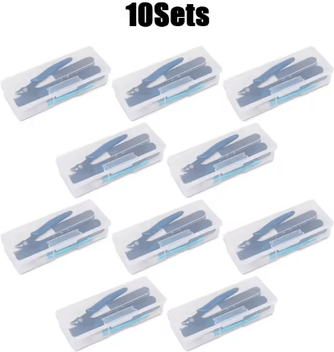
Inspire Picks 9 Piece Professional Modeling Tool Kit Hobby Building DIY Construction Set 10 SetBuild with precision and confidence using this versatile modeling tool kit designed for hobbyists, beginners, and experienced builders alike. Whether youre assembling car models, construction kits, or DIY toys, this compact set includes the...201,81 $*Shipping: 0,00 $Secure redirect to the provider
-
Uplifted Finds Humanoid Skeleton Modeling Prop Posable Halloween Decorative Frame Executive Haunted & Studio Sanctuary Decor 1 Pc"Inaugurate a chilling ""EternalSanctuary"" energy in your environment with our Modeling Humanoid Skeleton Prop. This premium anatomical decorative frame is the ultimate designer solution for creating a ""GothicModern"" or ""ExecutiveStudioLuxe""..."41,97 $*Shipping: 0,00 $Secure redirect to the provider
-
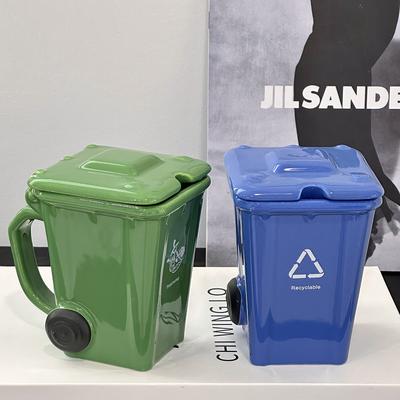
Youfap Market Creative Ceramic 3D Recycling Bin Mug, Trash Can Modeling Cup, Personality Funny Coffee Cup greyA Fun Mug That Sparks Smiles Every Morning Turn your daily coffee moment into something playful with the Creative Ceramic 3D Recycling Bin Mug. Designed to look like a tiny trash can, this shape garbage trash can coffee cup adds humor and...49,97 $*Shipping: 0,00 $Secure redirect to the provider
-
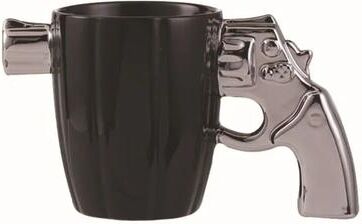
Uplift Essentials Creative 3D Revolver Modeling Ceramic Coffee Mug silverAdd a bold, playful edge to your morning routine with this 3D revolver gun ceramic mug. Designed with a creative and humorous touch, this mug features a unique handle modeled after a classic revolver, making it a standout piece for your kitchen or...92,97 $*Shipping: 0,00 $Secure redirect to the provider

-
Is this saponification reaction equation correct?
Yes, the saponification reaction equation provided is correct. Saponification is the process of making soap by reacting a fat or oil with a strong base, such as sodium hydroxide or potassium hydroxide. The reaction results in the formation of soap (sodium or potassium salts of fatty acids) and glycerol. The equation shown accurately represents this chemical transformation. **
-
How does saponification work in chemistry?
Saponification is a chemical reaction that involves the hydrolysis of ester bonds in fats and oils by a strong base, typically sodium hydroxide or potassium hydroxide. This reaction results in the formation of glycerol and soap molecules, which are the salts of fatty acids. The hydroxide ions from the base break the ester bonds in the triglyceride molecules, releasing the fatty acids and glycerol. The fatty acids then react with the metal ions from the base to form soap molecules, which are soluble in water and have detergent properties. **
-
What is the equation for saponification?
The general equation for saponification is: ester + base → alcohol + carboxylate salt. In the specific case of the saponification of a triglyceride (fat or oil) with a strong base such as sodium hydroxide, the equation is: triglyceride + sodium hydroxide → glycerol + 3 fatty acid salts. **
-
Need help with calculating the saponification value.
To calculate the saponification value of a fat or oil, you need to know the molecular weight of the fatty acid present in the sample. The saponification value is the amount of potassium hydroxide (KOH) required to saponify one gram of the fat or oil. You can calculate the saponification value using the formula: Saponification value = (560 x saponification equivalent weight) / molecular weight of the fatty acid. This value is important in determining the amount of lye needed for soap making or in quality control of fats and oils. **

What is the reaction equation for saponification?
The reaction equation for saponification involves the hydrolysis of an ester, typically a triglyceride, with a strong base such as sodium hydroxide or potassium hydroxide. The general equation for saponification is: Ester + Base → Alcohol + Salt of Fatty Acid. For example, in the saponification of a triglyceride like olive oil, the reaction equation would be: Triglyceride (olive oil) + 3NaOH → Glycerol + 3 Sodium Salts of Fatty Acids (soap). **
How can one determine the saponification value?
The saponification value can be determined by performing a chemical reaction called saponification on a known weight of the fat or oil sample. This reaction involves the hydrolysis of the ester bonds in the fat or oil with a strong base, such as potassium hydroxide. The amount of base required to saponify the fat or oil is then measured, and the saponification value is calculated based on the weight of the sample and the amount of base used. This value is expressed as the number of milligrams of potassium hydroxide required to saponify one gram of the fat or oil sample. **
Top-Angebote
Products related to Saponification:
-
Uplift Essentials Creative 3D Revolver Modeling Ceramic Coffee Mug goldAdd a bold, playful edge to your morning routine with this 3D revolver gun ceramic mug. Designed with a creative and humorous touch, this mug features a unique handle modeled after a classic revolver, making it a standout piece for your kitchen or...92,97 $*Shipping: 0,00 $Secure redirect to the provider
-
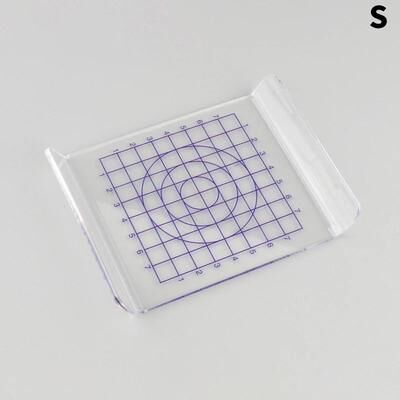
Uplifted Goods Clay Modeling Press Stick Tool For Crafting And Creative Play smallEncourage creativity and handson fun with this clay modeling press stick tool designed for shaping and texturing clay materials. Perfect for paper clay, polymer clay, soft plasticine, slime, and other modeling compounds, this tool helps create...34,97 $*Shipping: 0,00 $Secure redirect to the provider
-
Inspire Picks 9 Piece Professional Modeling Tool Kit Hobby Building DIY Construction Set 10 SetBuild with precision and confidence using this versatile modeling tool kit designed for hobbyists, beginners, and experienced builders alike. Whether youre assembling car models, construction kits, or DIY toys, this compact set includes the...201,81 $*Shipping: 0,00 $Secure redirect to the provider
-
Uplifted Finds Humanoid Skeleton Modeling Prop Posable Halloween Decorative Frame Executive Haunted & Studio Sanctuary Decor 1 Pc"Inaugurate a chilling ""EternalSanctuary"" energy in your environment with our Modeling Humanoid Skeleton Prop. This premium anatomical decorative frame is the ultimate designer solution for creating a ""GothicModern"" or ""ExecutiveStudioLuxe""..."41,97 $*Shipping: 0,00 $Secure redirect to the provider
-
Can you explain saponification?
Saponification is a chemical reaction that occurs when a fat or oil is mixed with a strong alkali, such as sodium hydroxide (lye), resulting in the formation of soap and glycerin. During saponification, the alkali breaks down the ester bonds in the fat molecules, releasing fatty acids and glycerol. The fatty acids then react with the alkali to form soap molecules, while glycerin is a byproduct of the reaction. This process is commonly used in the production of soap. **
-
What are chemical reactions in saponification?
Chemical reactions in saponification involve the reaction of a fat or oil with a strong base, typically sodium hydroxide or potassium hydroxide. This reaction results in the formation of soap and glycerol. The fatty acids in the fat or oil react with the base to form the soap molecules, while glycerol is a byproduct of the reaction. Saponification is a key process in soap-making and is essential for the production of soap. **
-
Is this saponification reaction equation correct?
Yes, the saponification reaction equation provided is correct. Saponification is the process of making soap by reacting a fat or oil with a strong base, such as sodium hydroxide or potassium hydroxide. The reaction results in the formation of soap (sodium or potassium salts of fatty acids) and glycerol. The equation shown accurately represents this chemical transformation. **
-
How does saponification work in chemistry?
Saponification is a chemical reaction that involves the hydrolysis of ester bonds in fats and oils by a strong base, typically sodium hydroxide or potassium hydroxide. This reaction results in the formation of glycerol and soap molecules, which are the salts of fatty acids. The hydroxide ions from the base break the ester bonds in the triglyceride molecules, releasing the fatty acids and glycerol. The fatty acids then react with the metal ions from the base to form soap molecules, which are soluble in water and have detergent properties. **
Similar search terms for Saponification
-
Youfap Market Creative Ceramic 3D Recycling Bin Mug, Trash Can Modeling Cup, Personality Funny Coffee Cup greyA Fun Mug That Sparks Smiles Every Morning Turn your daily coffee moment into something playful with the Creative Ceramic 3D Recycling Bin Mug. Designed to look like a tiny trash can, this shape garbage trash can coffee cup adds humor and...49,97 $*Shipping: 0,00 $Secure redirect to the provider
-
Uplift Essentials Creative 3D Revolver Modeling Ceramic Coffee Mug silverAdd a bold, playful edge to your morning routine with this 3D revolver gun ceramic mug. Designed with a creative and humorous touch, this mug features a unique handle modeled after a classic revolver, making it a standout piece for your kitchen or...92,97 $*Shipping: 0,00 $Secure redirect to the provider
-
Uplifted Goods Clay Modeling Press Stick Tool For Crafting And Creative Play largeEncourage creativity and handson fun with this clay modeling press stick tool designed for shaping and texturing clay materials. Perfect for paper clay, polymer clay, soft plasticine, slime, and other modeling compounds, this tool helps create...39,97 $*Shipping: 0,00 $Secure redirect to the provider
-
Inspire Picks 9 Piece Professional Modeling Tool Kit Hobby Building DIY Construction Set 3 SetBuild with precision and confidence using this versatile modeling tool kit designed for hobbyists, beginners, and experienced builders alike. Whether youre assembling car models, construction kits, or DIY toys, this compact set includes the...85,48 $*Shipping: 0,00 $Secure redirect to the provider
-
What is the equation for saponification?
The general equation for saponification is: ester + base → alcohol + carboxylate salt. In the specific case of the saponification of a triglyceride (fat or oil) with a strong base such as sodium hydroxide, the equation is: triglyceride + sodium hydroxide → glycerol + 3 fatty acid salts. **
-
Need help with calculating the saponification value.
To calculate the saponification value of a fat or oil, you need to know the molecular weight of the fatty acid present in the sample. The saponification value is the amount of potassium hydroxide (KOH) required to saponify one gram of the fat or oil. You can calculate the saponification value using the formula: Saponification value = (560 x saponification equivalent weight) / molecular weight of the fatty acid. This value is important in determining the amount of lye needed for soap making or in quality control of fats and oils. **
-
What is the reaction equation for saponification?
The reaction equation for saponification involves the hydrolysis of an ester, typically a triglyceride, with a strong base such as sodium hydroxide or potassium hydroxide. The general equation for saponification is: Ester + Base → Alcohol + Salt of Fatty Acid. For example, in the saponification of a triglyceride like olive oil, the reaction equation would be: Triglyceride (olive oil) + 3NaOH → Glycerol + 3 Sodium Salts of Fatty Acids (soap). **
-
How can one determine the saponification value?
The saponification value can be determined by performing a chemical reaction called saponification on a known weight of the fat or oil sample. This reaction involves the hydrolysis of the ester bonds in the fat or oil with a strong base, such as potassium hydroxide. The amount of base required to saponify the fat or oil is then measured, and the saponification value is calculated based on the weight of the sample and the amount of base used. This value is expressed as the number of milligrams of potassium hydroxide required to saponify one gram of the fat or oil sample. **
* All prices are inclusive of VAT and, if applicable, plus shipping costs. The offer information is based on the details provided by the respective shop and is updated through automated processes. Real-time updates do not occur, so deviations can occur in individual cases. ** Note: Parts of this content were created by AI.